Children’s Dental Sealants Miami: #1 Protection
Understanding Dental Sealants: A “Raincoat” for Teeth
When we talk about Children’s dental sealants Miami, we are referring to a specialized plastic resin material that acts as a shield for the most vulnerable parts of a child’s mouth. The chewing surfaces of back teeth (molars and premolars) are not smooth; they are filled with tiny hills and valleys known as pits and fissures. These grooves are often narrower than a single toothbrush bristle, making them the perfect hiding spot for plaque and food particles.
By applying a thin coating of this resin, we effectively “seal” these deep grooves. This creates a smooth surface that is much easier to clean and prevents bacteria from nesting in the enamel. You can find more Informational graphic about Dental Sealants provided by the Florida Department of Health to see exactly how these barriers function. For a general overview of what sealants are and how they work, see Dental sealant.
How Sealants Bond to Teeth
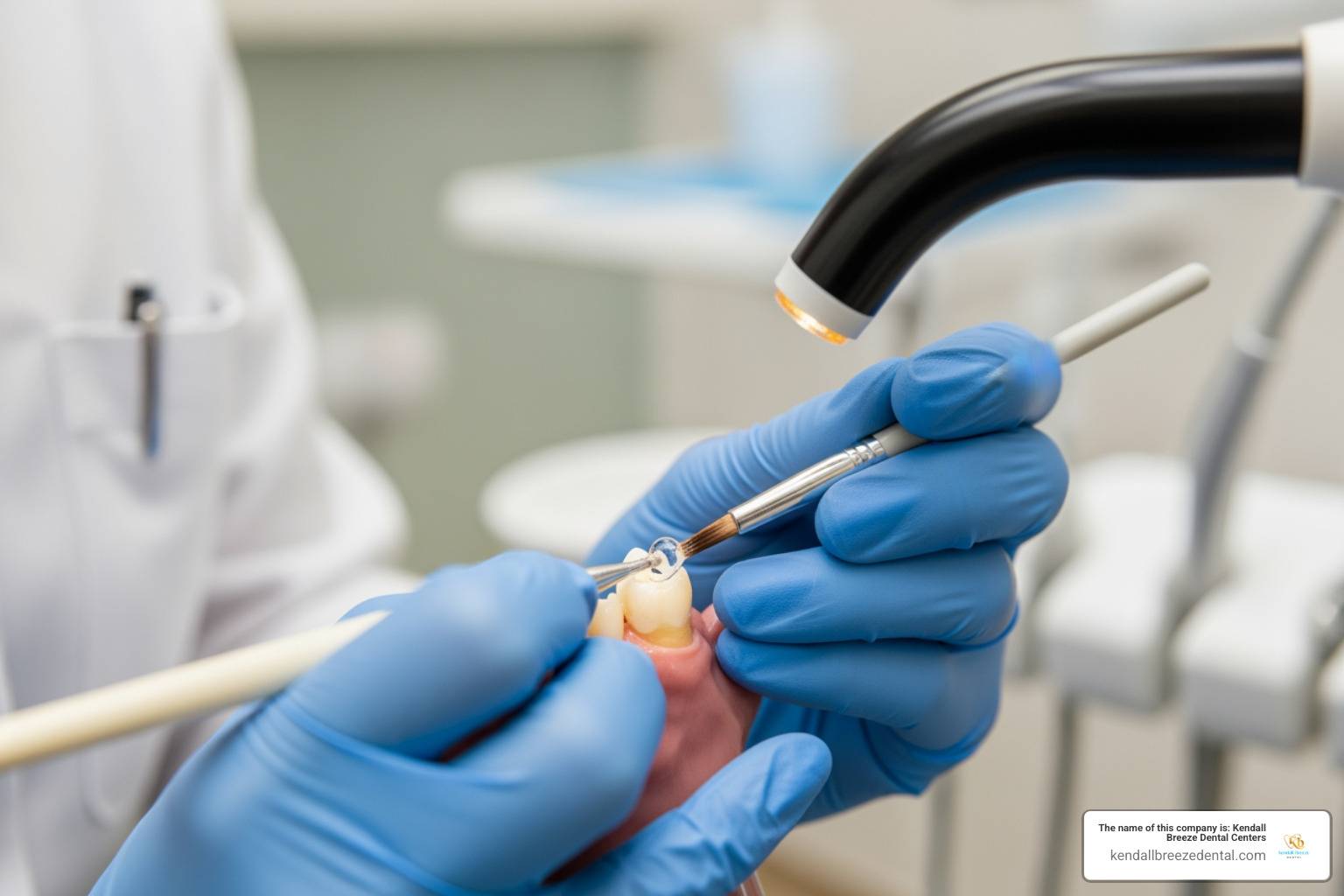
The application process is fascinatingly simple. The sealant starts as a liquid resin, which allows it to flow deep into every microscopic nook and cranny of the tooth’s surface. Once the liquid is in place, we use a special “curing light” (a bright blue light) that causes the resin to harden and bond directly to the tooth enamel in seconds.
The result is a durable, smooth surface that makes brushing significantly more effective. This is just one of the many Services we provide to ensure your child’s smile remains healthy from their first tooth through adulthood.
The Benefits of Children’s Dental Sealants Miami
The primary reason parents seek out Children’s dental sealants Miami is the incredible track record of cavity prevention. According to the CDC, sealants prevent 80% of cavities for the first two years after application and continue to provide 50% protection for up to four years. This level of protection is unmatched by almost any other preventive dental treatment.
Beyond just preventing holes in teeth, sealants offer several practical benefits:
- Cost-Saving: A sealant is significantly less expensive than a filling, crown, or root canal. By investing in prevention now, you save on restorative costs later. Think of it as an insurance policy for your child’s molars.
- Painless Application: There is no drilling or numbing required. It is a completely non-invasive procedure that is great for kids who might be nervous about the dentist. Most children find the process quick and easy, often finishing in less time than a standard cleaning.
- Aesthetic Preservation: Sealants are clear or tooth-colored, meaning they are virtually invisible. They help maintain the natural look of the tooth while providing heavy-duty protection. This focus on both health and appearance is central to our approach, which also includes Cosmetic Dentistry for older patients.
Long-Term Cavity Reduction
The long-term impact of sealants is backed by decades of research. Statistics show that a sealant is 86% effective in preventing tooth decay in the years immediately following application. Because children between the ages of six and 11 are particularly prone to “first molar” cavities, getting sealants as soon as these teeth erupt is one of the most proactive steps a parent in Miami can take. This early intervention can prevent a lifetime of dental work on those specific teeth.
The Application Process and Maintenance
At Kendall Breeze Dental Centers, we want the process to be as comfortable as possible for your little ones. We use child-friendly language and take the time to explain each step to reduce any anxiety. Here is the step-by-step breakdown of how we apply Children’s dental sealants Miami:
- Cleaning: We thoroughly clean the tooth to remove any plaque or food debris. This ensures the resin bonds to the enamel, not to debris.
- Drying: The tooth must be kept completely dry during the process, so we use cotton or other absorbent materials to isolate the tooth. Moisture is the enemy of a good bond.
- Etching: We apply a mild acidic solution to “roughen up” the surface of the tooth slightly. This is similar to how a painter sands a surface before applying paint; it helps the sealant bond tightly to the enamel.
- Rinsing and Drying: The etching solution is rinsed away, and the tooth is dried again. The tooth will look slightly chalky, which is a sign the surface is ready.
- Painting: We paint the liquid sealant onto the chewing surface, ensuring it flows into all the pits and fissures.
- Hardening: We use the curing light to harden the material instantly.

Caring for Sealed Teeth
Once the sealants are in place, they don’t require “special” care, but they do require consistent care. Your child should continue to brush twice a day and floss daily. While sealants are tough, they are not invincible. We recommend avoiding excessively sticky or hard candies (like jawbreakers or sticky taffy), which can occasionally pull a sealant loose or chip it.
Regular checkups are vital because we need to inspect the sealants for wear and tear. If a sealant chips or wears down, we can easily “touch it up” or replace it to ensure the protection remains intact. If a sealant does fail and a toothache occurs, we are always available for Emergency Dentist Kendall services. Most sealants will last for several years before needing any attention.
Eligibility: When Should Your Child Get Sealants?
The “golden window” for sealants is usually as soon as the permanent molars break through the gums. This ensures the tooth is protected before decay has any chance to take hold.
- 6-Year Molars: These are the first permanent molars to appear (usually between ages 5 and 7). They are often the most cavity-prone teeth in the mouth.
- 12-Year Molars: The second set of permanent molars typically erupts between ages 11 and 14. Protecting these is just as important for long-term oral health.
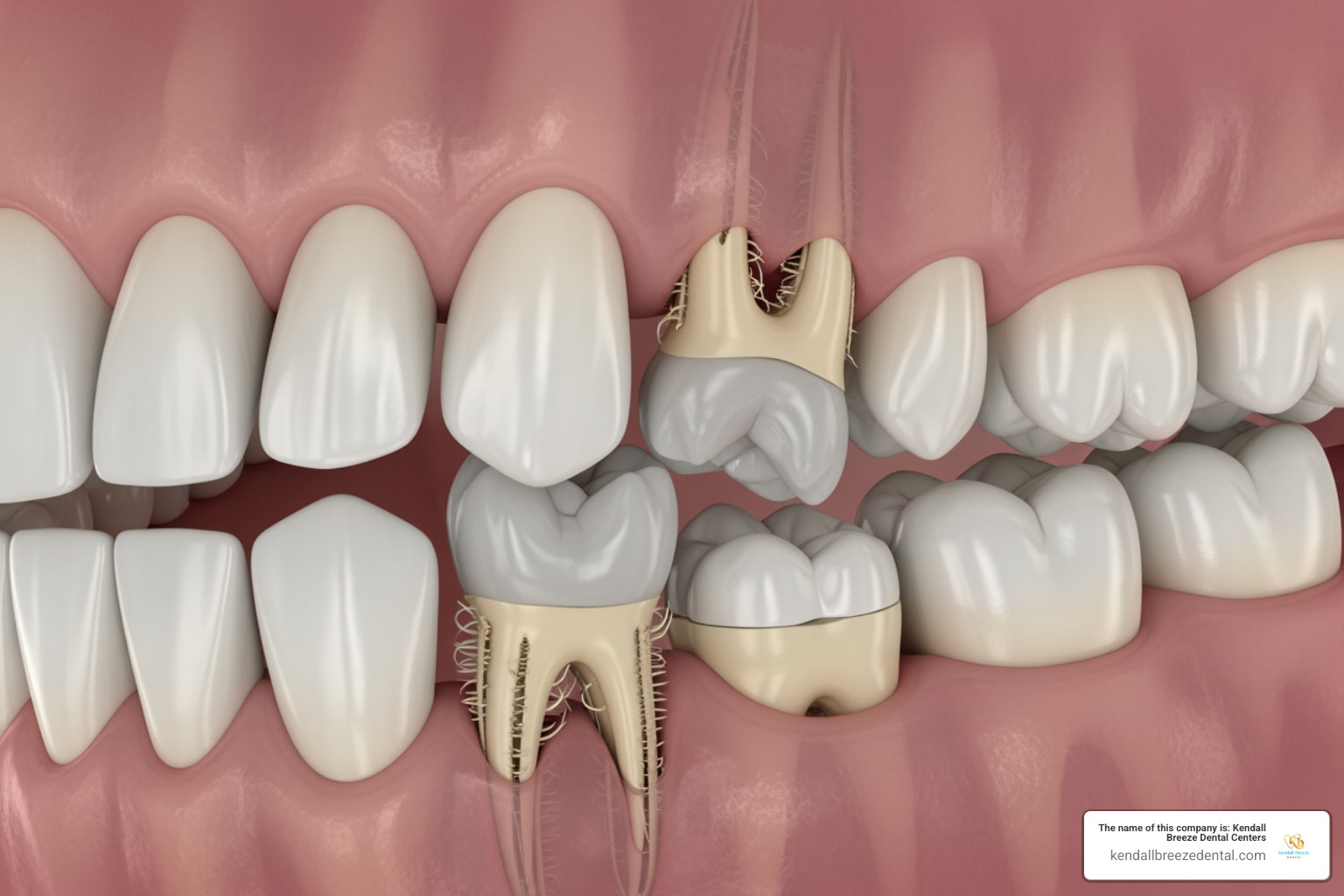
While permanent teeth are the primary targets, we occasionally recommend sealants for baby teeth if the child has exceptionally deep grooves and is at high risk for cavities. Keeping baby teeth healthy is crucial because they hold the space for permanent teeth to grow in correctly. For families looking for community resources, the Florida Department of Health-School-Based Sealant Programs provides excellent information on public health initiatives in our area.
Teenagers and even some adults without existing fillings can also benefit from sealants if they have deep pits and fissures. It is never too late to protect a healthy tooth surface from future decay.
When to Schedule Children’s Dental Sealants Miami
Timing is everything. You want to apply the sealant before decay has a chance to start. Once a cavity has formed, a sealant cannot be used to “cover it up”—at that point, a filling is required. We assess your child’s behavioral readiness during their routine cleaning. Most children are ready for sealants by age 6, as the process only requires them to stay still for a few minutes per tooth. Our team is experienced in working with children of all temperaments to ensure a successful application.
Frequently Asked Questions
Are Children’s Dental Sealants Miami Safe?
Yes, they are extremely safe. Some parents worry about BPA (Bisphenol A) in plastic resins. However, the amount of BPA exposure from a dental sealant is minuscule—less than what you would get from breathing the air or touching a receipt. The American Dental Association and the FDA have both affirmed the safety of these materials. They are non-toxic, tasteless, and colorless, making them a worry-free choice for parents.
How Much Do Sealants Cost and Is Insurance Accepted?
Most dental insurance plans recognize the value of prevention and cover sealants for children under the age of 18 at 100% (or with a very small co-pay). For those without private insurance, programs like Medicaid and Florida KidCare often cover these services. There are also school-based programs in Miami-Dade that provide sealants to eligible students to ensure no child is left unprotected. Compared to the cost of a single filling, sealants are a bargain.
Do Sealants Replace Brushing and Flossing?
Absolutely not! Sealants are a supplement, not a replacement. While they protect the chewing surfaces, they do not protect the areas between the teeth—that is where flossing comes in. They also don’t protect the gum line, which is why regular brushing and fluoride treatments remain essential. Think of sealants as one part of a complete defensive strategy for your child’s oral health.
Conclusion
Protecting your child’s smile doesn’t have to be a battle. By choosing Children’s dental sealants Miami, you are giving your child a massive head start in the fight against tooth decay. At Kendall Breeze Dental Centers, we are proud to serve the Miami, Kendall, and Pinecrest communities with a unique blend of dental expertise and facial aesthetics. Our holistic approach ensures that your family receives the highest standard of care in a modern, welcoming environment.
Whether you are visiting us at our main office on SW 128th Ct or one of our other convenient South Florida locations in Coral Gables, The Hammocks, or South Miami, our goal is to provide a warm, stress-free environment for your whole family. We are dedicated to helping the residents of Dadeland Mall and West Kendall maintain beautiful smiles for life. Schedule your child’s appointment today and let’s “seal the deal” on a lifetime of healthy smiles!