A lot of people ask this question after catching themselves hiding their teeth in photos, covering their mouth when they laugh, or noticing that one small dental issue has turned into several. So, what is a smile makeover? It’s a personalized treatment plan that combines cosmetic and sometimes restorative dental procedures to improve the appearance of your smile in a way that fits your face, goals, and oral health.
That sounds simple, but a real smile makeover is not a one-size-fits-all package. It can be as straightforward as whitening and bonding, or as comprehensive as veneers, crowns, implants, and gum contouring. The right plan depends on what you want to change, what your teeth need, and how long you want your results to last.
What is a smile makeover, really?
A smile makeover is a customized approach to improving the look of your teeth and, in some cases, the balance between your smile and the rest of your face. Most patients are trying to correct a mix of concerns rather than just one. That may include discoloration, chips, worn edges, spacing, crooked teeth, uneven gums, missing teeth, or old dental work that no longer looks natural.
The goal is not to give every patient the same bright, ultra-white “perfect” smile. The best smile makeovers look natural, healthy, and appropriate for the individual. A great result should match your facial features, skin tone, bite, and personality. For some people, subtle changes create the biggest impact.
This is also where professional guidance matters. A makeover should improve appearance without ignoring function. If your bite is off, if you grind your teeth, or if you have decay or gum disease, those issues usually need to be addressed first. Cosmetic dentistry works best when it is built on a healthy foundation.
What can a smile makeover include?
There is no fixed checklist, because every smile makeover is tailored. Still, several treatments are commonly used depending on the situation.
Teeth whitening is often part of the plan when stains or dull color are the main concern. It can brighten natural teeth quickly and works well for patients who want a fresher look without major dental work.
Dental bonding may be recommended for small chips, minor gaps, or uneven edges. It is usually a more conservative and budget-friendly option, though it may not last as long as porcelain.
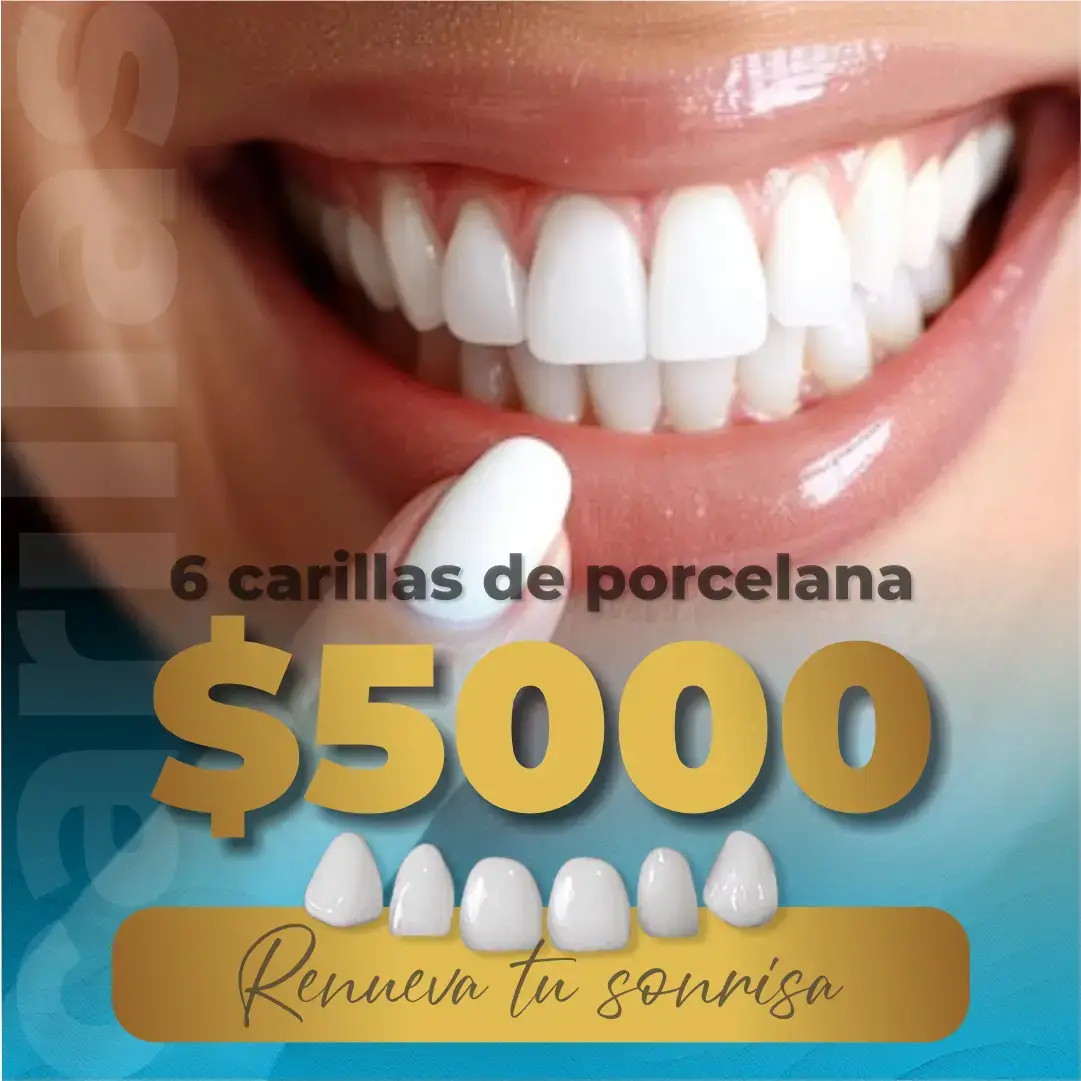
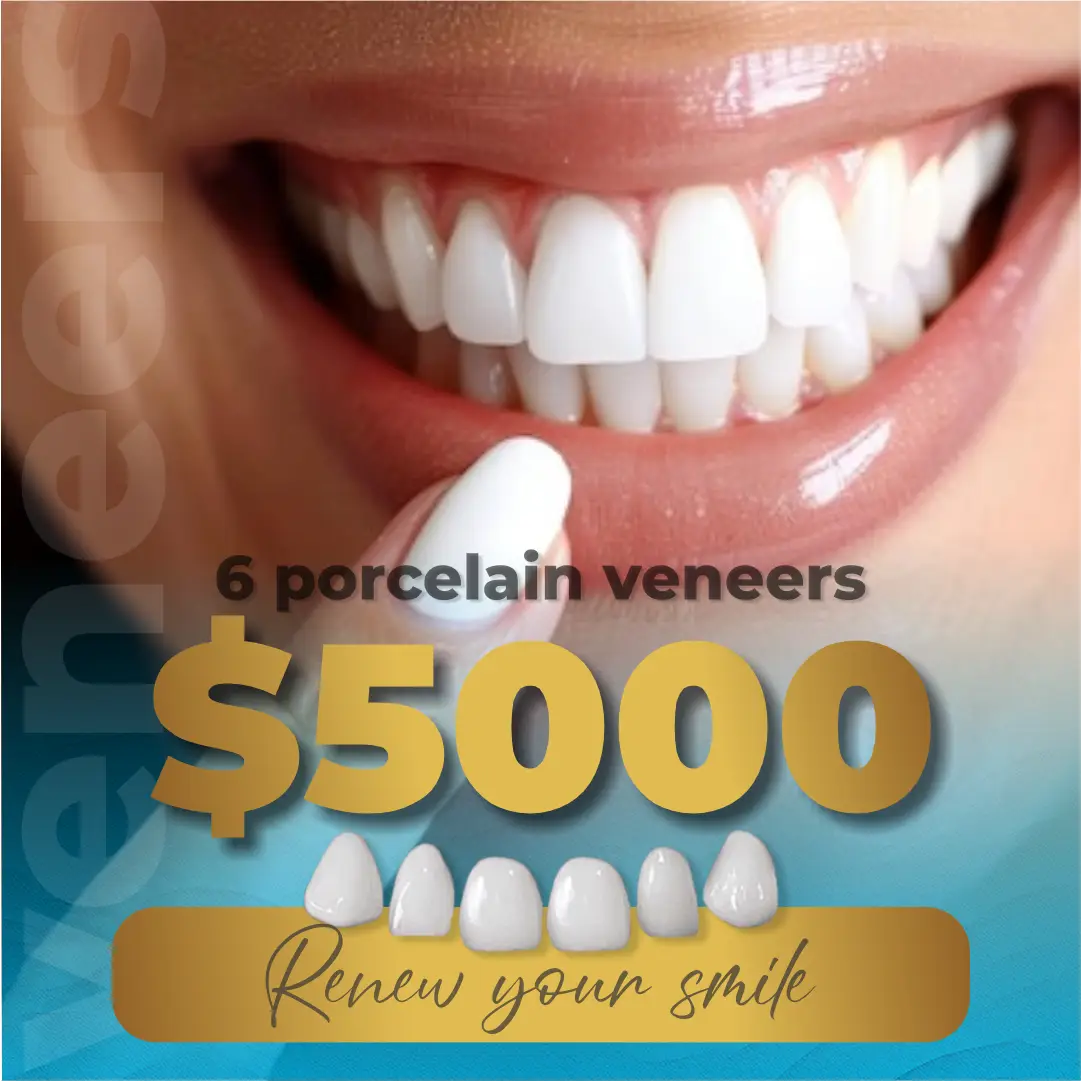
Veneers are a popular choice when patients want to change color, shape, size, or symmetry in a more dramatic and durable way. They can create a very polished result, but they require careful planning and are not the right solution for everyone.
Crowns may be used when a tooth needs both cosmetic improvement and structural support. If a tooth is cracked, heavily filled, or weakened, a crown can restore strength while improving appearance.
Orthodontic treatment, including clear aligners in some cases, may be part of a smile makeover if crowding, spacing, or bite issues are affecting the final look. Straightening teeth first can sometimes reduce the need for more invasive cosmetic work later.
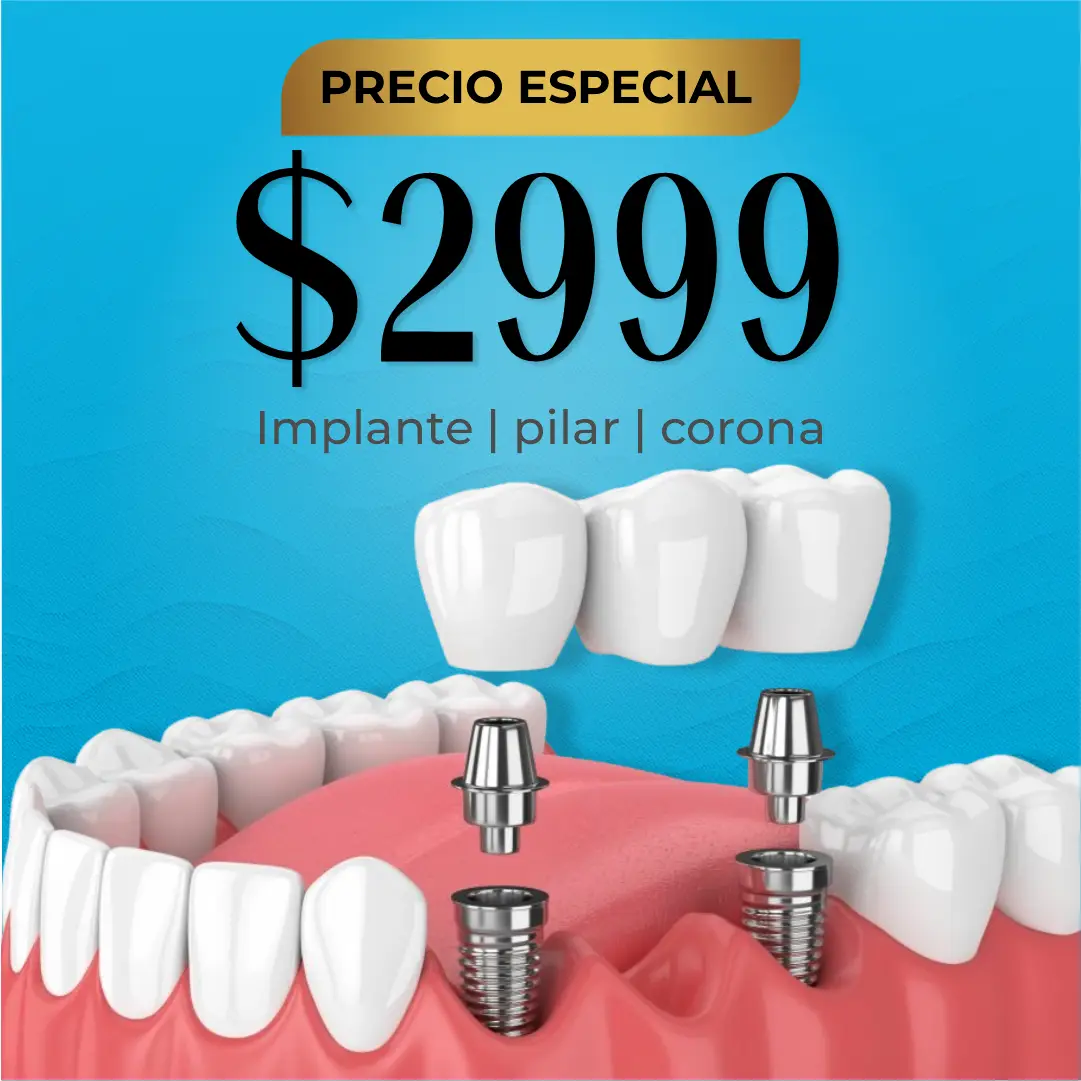
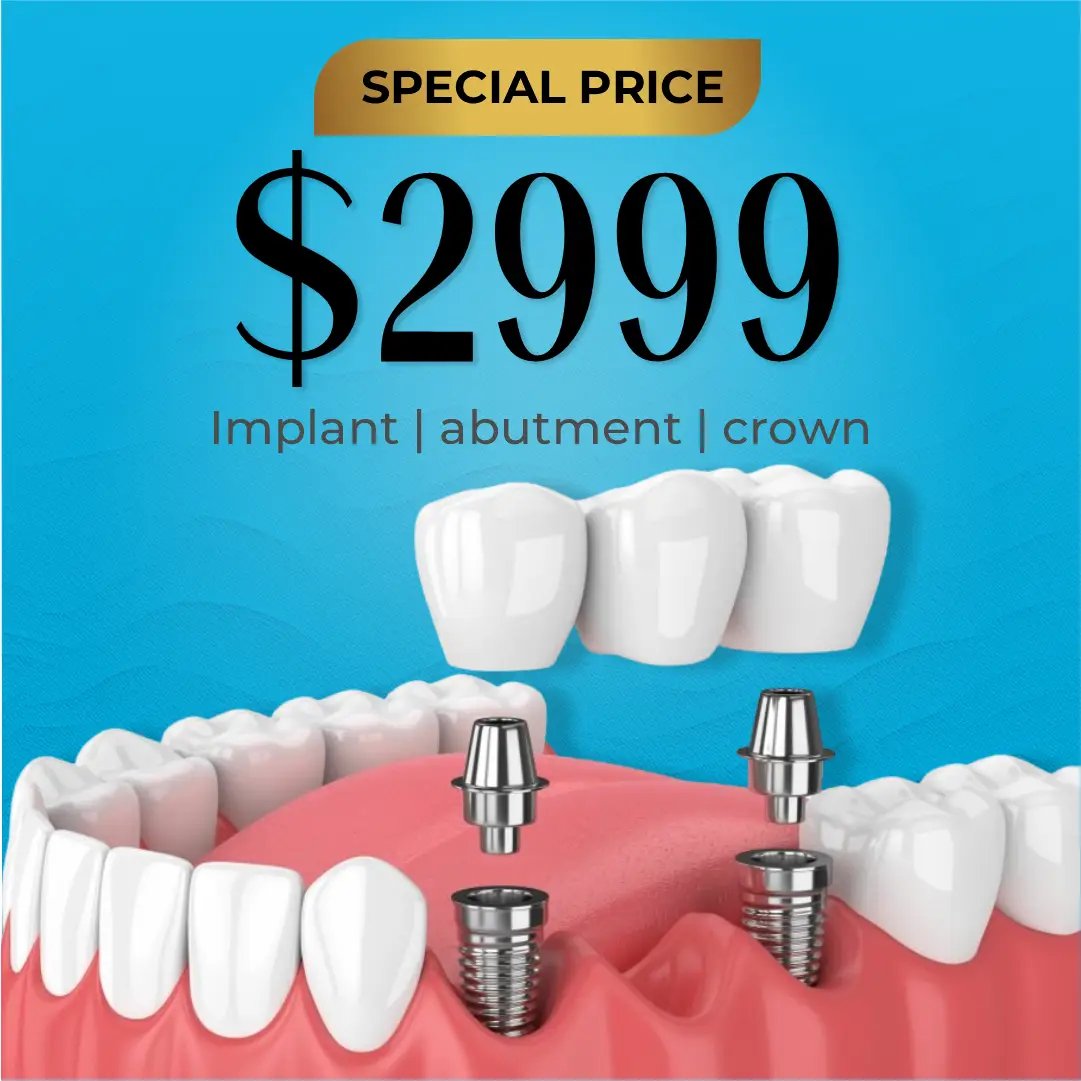
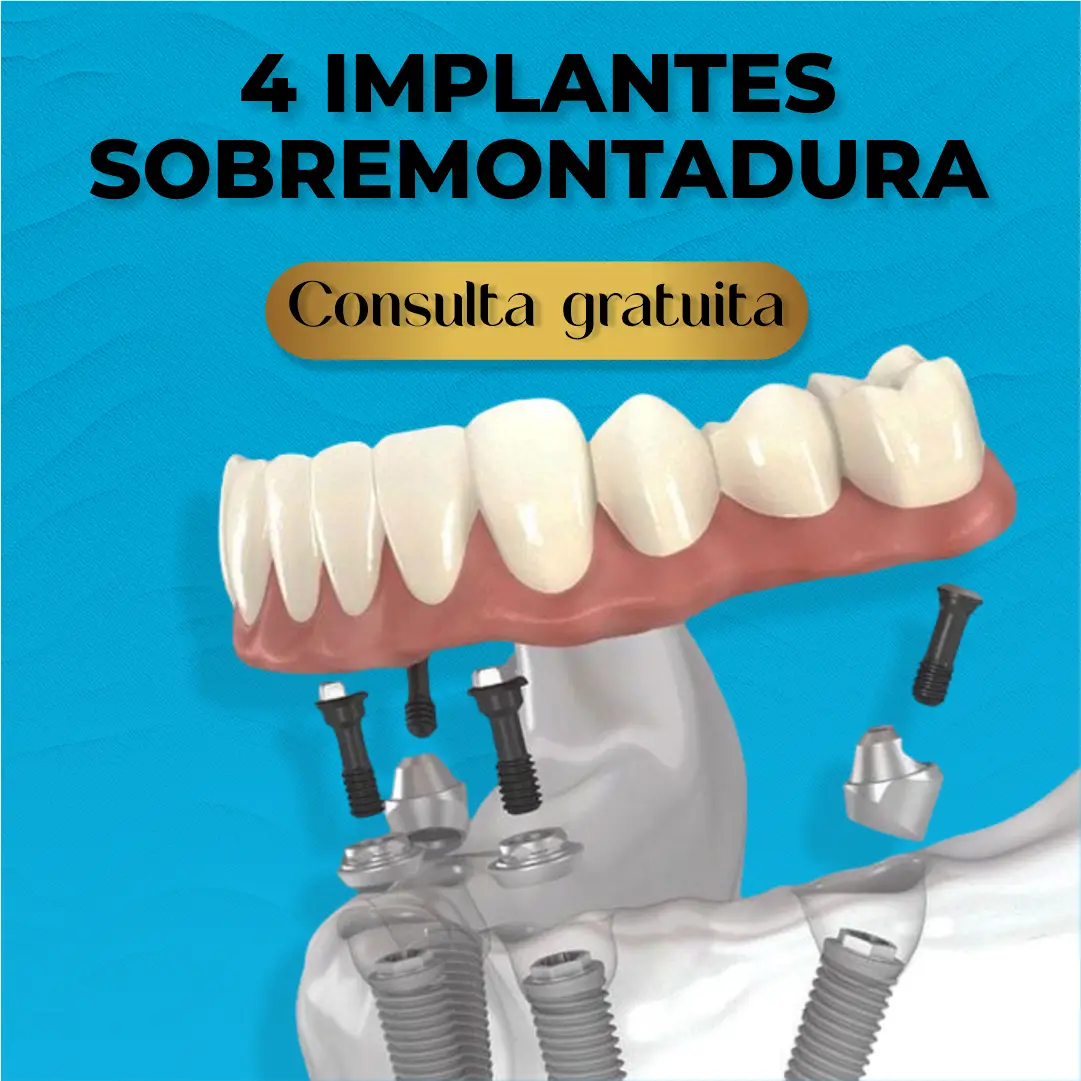
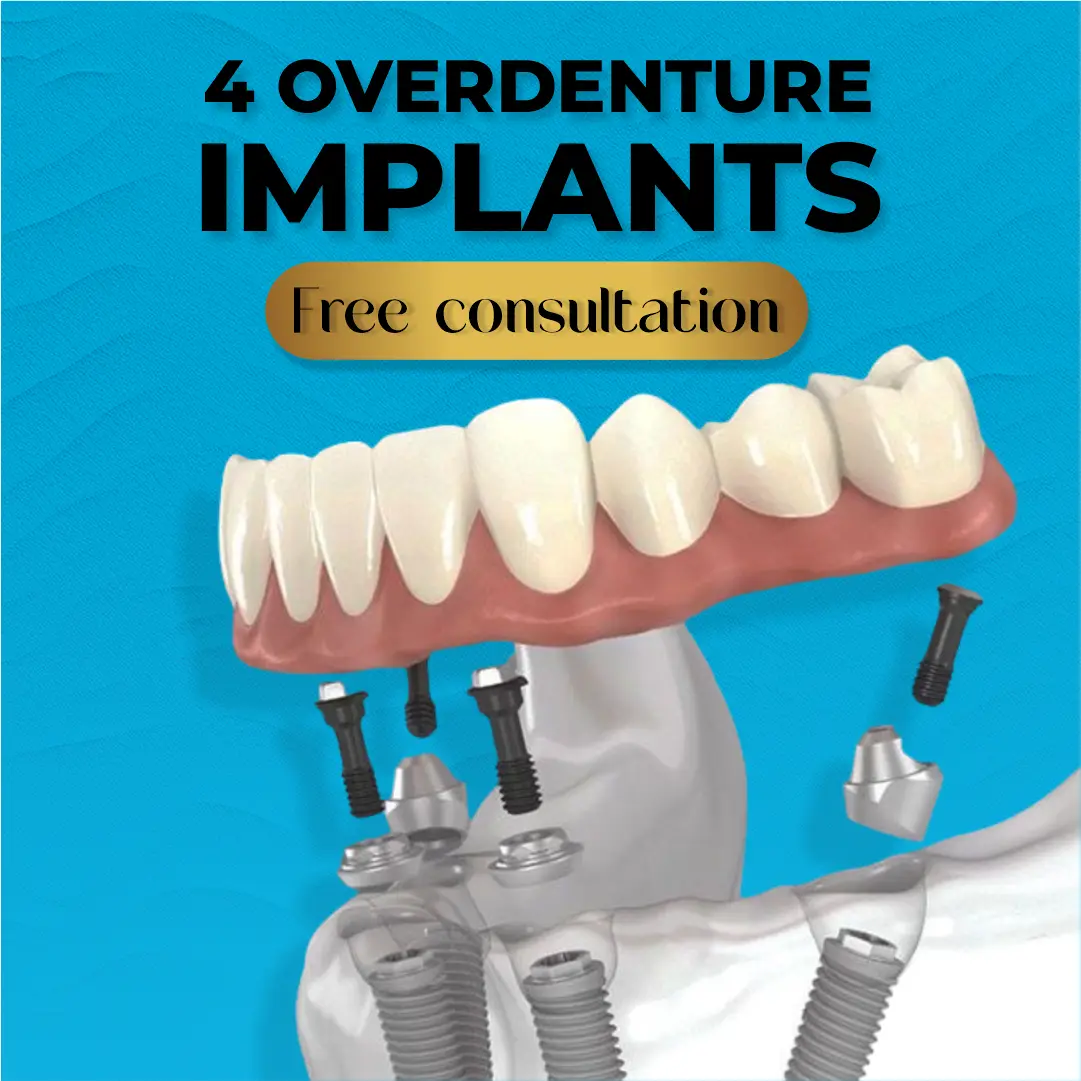
Dental implants, bridges, or dentures may be necessary if teeth are missing. Replacing missing teeth is about more than appearance. It also helps support chewing, speech, and long-term oral health.
Gum contouring can help if the teeth look too short or the gumline appears uneven. In the right case, small changes to the gums can make a major difference in smile balance.
Some patients also think about the full picture, not just the teeth. In a setting that offers both cosmetic dentistry and facial aesthetic services, treatment can be planned with overall facial harmony in mind. That does not mean everyone needs facial treatments. It means your provider can look at the relationship between lips, smile line, facial symmetry, and tooth display in a more complete way.
Who is a good candidate?
Most adults who are unhappy with the look of their smile can be candidates for some level of smile makeover, but that does not always mean jumping straight into cosmetic treatment. The first question is whether your mouth is healthy enough to support it.
If you have cavities, gum inflammation, broken restorations, or missing teeth, those concerns may need attention before cosmetic work begins. That is not a setback. It is part of creating results that last.
You may be a good candidate if you feel self-conscious about stained, chipped, worn, uneven, or missing teeth and want a plan that is designed around your specific goals. You may also be a strong candidate if you want a more youthful, refreshed smile but still want it to look like you.
The best candidates also have realistic expectations. A smile makeover can improve your appearance significantly, but it should not feel fake or forced. Good planning is about balance, not excess.
What happens during a smile makeover consultation?
This is where the process becomes personal. A proper consultation should go beyond asking what shade of white you like. Your dentist should examine your teeth, gums, bite, existing dental work, and overall oral health. Photos, digital imaging, and X-rays may be used to understand both cosmetic concerns and structural needs.
Just as important, you should have a chance to talk openly about what bothers you. Some patients come in saying they want veneers, when what they actually need is whitening and a small repair. Others think they only need cosmetic work, then learn that replacing an old crown or treating gum recession should come first.
A good consultation should leave you feeling informed, not pressured. You should understand your options, the pros and cons of each, expected timelines, and what kind of maintenance your new smile will require. Clear pricing matters too. No surprises, no confusing treatment plan, and no feeling like you are being sold something you do not need.
How long does a smile makeover take?
It depends on the treatments involved. Some patients complete their smile makeover in one or two visits if the plan is limited to whitening and bonding. Others may need several months if they are combining orthodontics, gum treatment, implants, or multiple restorations.
That timeline can actually be a good thing. Rushing cosmetic work is rarely the right move, especially when function and long-term stability matter. If your makeover involves different phases, your dentist should explain what happens first, what can wait, and when you can expect to see visible changes.
For busy adults and families, convenience matters. Coordinating cosmetic and restorative care in one office can make the process feel much more manageable.
How much does a smile makeover cost?
There is no standard price because a smile makeover can range from a few small improvements to full-mouth treatment. Cost depends on the procedures included, the number of teeth being treated, the materials used, and whether restorative care is part of the plan.
Whitening and bonding usually cost less upfront than veneers or implants, but lower initial cost does not always mean better long-term value. Bonding may need touch-ups sooner. Veneers and crowns can last longer, but they require a larger investment at the start. Implants are often one of the biggest investments, yet they can also be one of the most durable and functional solutions for missing teeth.
This is why treatment planning should include a real conversation about budget, priorities, and timing. In many cases, treatment can be phased so patients can address the most important concerns first.
What makes a smile makeover look natural?
Natural-looking results come from restraint, planning, and customization. The shape of the teeth matters. So does the color. Teeth that are too white, too square, or too uniform can stand out for the wrong reasons.
A skilled cosmetic dentist considers how the smile fits your age, face shape, lip movement, and even how much tooth shows when you speak or rest. Small details matter. The best smiles are not just bright. They are balanced.
This is one reason many patients prefer a practice that understands both smile aesthetics and facial appearance. At Kendall Breeze Dental Centers, that broader perspective can help patients create results that feel polished but still personal.
Is a smile makeover worth it?
For many patients, yes, but the reason is not just appearance. People often report feeling more confident in social settings, more comfortable at work, and less distracted by the parts of their smile they used to fixate on every day. If your teeth have been making you feel older, tired, or self-conscious, improving them can have a real emotional impact.
Still, “worth it” depends on your goals. If you want a subtle refresh, a small treatment plan may give you exactly what you need. If you want a major transformation, it may take more time and investment. The right answer is the one that fits your life, your priorities, and your comfort level.
A smile makeover is not about chasing perfection. It is about creating a smile that feels healthy, attractive, and truly yours. If you have been thinking about making a change, the best first step is simply finding out what is possible for your smile.