Losing a tooth changes more than your smile. It can affect how you chew, how clearly you speak, and how confident you feel when you laugh or meet someone new. If you have been asking who is a candidate for dental implants, the short answer is this: many adults are, but the best way to know is to look at your overall oral health, bone support, and daily habits.
Dental implants are one of the most natural-looking and stable ways to replace missing teeth. They are designed to act like artificial tooth roots, which means they do more than fill a gap. They help support the bone in your jaw and give a replacement tooth a secure foundation. For many patients, that means a smile that feels more like their own again.
Who is a candidate for dental implants?
A good candidate for dental implants is usually someone with one or more missing teeth, healthy gums, and enough jawbone to support the implant. You should also be healthy enough for a routine dental procedure and committed to keeping your mouth clean during healing and after treatment.
That said, implant candidacy is not all or nothing. Some people are ready right away. Others may need preparatory care first, such as gum treatment, a tooth extraction, or a bone graft. Being told you are not ready today does not always mean you are not a candidate at all.
The basics dentists look for first
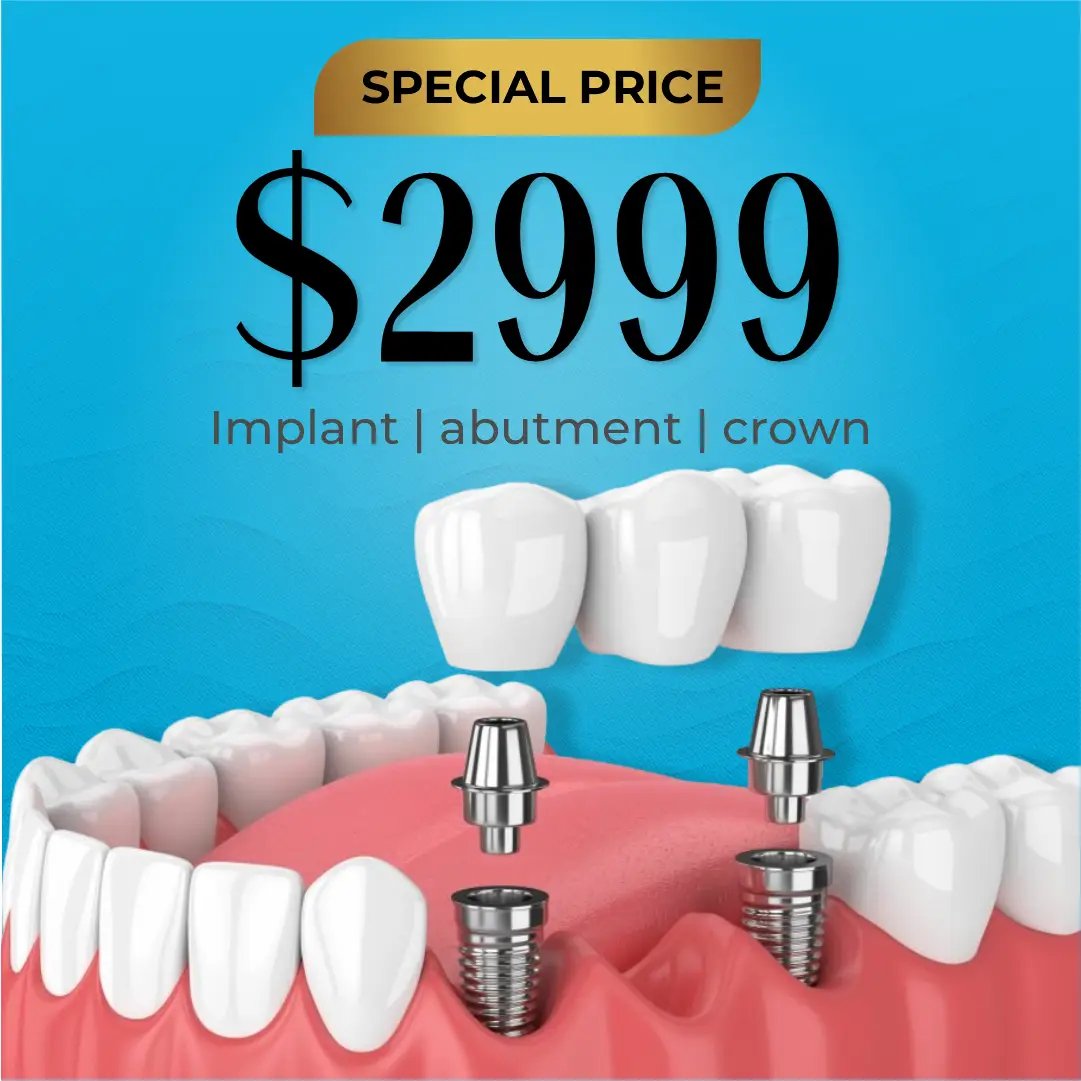
The first question is usually simple: do you have a missing tooth, or are you about to lose one that cannot be saved? Dental implants can replace a single tooth, several teeth, or even support a full arch in certain cases. That flexibility is one reason they are such a popular restorative option.
Next comes the condition of your gums and jawbone. Implants need a healthy environment to heal properly. If gum disease is active or the bone has shrunk significantly after tooth loss, your dentist may recommend treating those issues before placing the implant.
General health matters too. Most healthy adults can be considered for implants, including many older adults. Age by itself is usually not the problem. What matters more is whether healing is likely to go well and whether any medical conditions are controlled.
You may be a strong candidate if you:
Have one or more missing teeth, want a long-term replacement option, have healthy or treatable gums, and are willing to follow home care and dental visits closely. Patients who want a secure fit and a natural look often find implants especially appealing.
You may need extra planning if you:
Smoke, have uncontrolled diabetes, have active periodontal disease, grind your teeth heavily, or have experienced bone loss in the jaw. None of these automatically rule out treatment, but they can affect healing and long-term success.
Jawbone health plays a big role
One of the biggest factors in answering who is a candidate for dental implants is bone volume and density. Because the implant is placed in the jaw, there needs to be enough healthy bone to hold it in place while it fuses with the body.
If a tooth has been missing for a long time, the bone in that area may have started to shrink. This is common and does not always stop treatment. In many cases, a bone graft can rebuild the area enough to support an implant later. This adds time to the process, but it can make implant treatment possible for patients who assumed they had missed their chance.
Digital imaging is often used to check this carefully. It gives your dentist a clearer picture of the bone, nearby nerves, and sinus areas so treatment can be planned with precision. For patients, that usually means fewer surprises and a more comfortable experience.
Gum health matters just as much
Healthy gums help protect the implant and the surrounding bone. If your gums bleed easily, feel swollen, or have started to pull away from the teeth, periodontal disease may be present. Placing an implant into an unhealthy environment is risky, so this usually needs attention first.
The good news is that gum disease can often be managed. Once the gums are healthier and inflammation is under control, many patients can move forward with implants successfully. This is why a complete evaluation is so important. The goal is not to rush treatment. The goal is to build a stable foundation.
Medical conditions do not always rule you out
Many people assume they are too old or too medically complicated for implants. Often, that is not true. Patients with controlled diabetes, treated high blood pressure, or common chronic conditions may still be candidates. Your dentist will simply want a clear picture of your health history and any medications you take.
There are situations that require extra caution. Certain medications, immune conditions, or cancer treatments can affect healing. Heavy smoking can also reduce blood flow and raise the risk of implant failure. Even then, the conversation is not always yes or no. Sometimes it becomes a matter of timing, coordination with your physician, or changes that improve your odds of success.
Lifestyle habits can affect implant success
Dental implants are not high-maintenance, but they are not maintenance-free. The best candidates are willing to brush, floss, and keep up with routine dental visits. An implant cannot get a cavity, but the tissues around it can still become inflamed or infected if plaque is allowed to build up.
Smoking deserves special mention because it affects healing at every stage. If you smoke or vape, your dentist may talk with you about reducing or stopping before treatment. That conversation is not about judgment. It is about protecting your result.
Teeth grinding is another factor. If you clench or grind at night, an implant may be exposed to more force than it should be. That does not mean you cannot have one, but your dentist may recommend a night guard to help protect both the implant and your natural teeth.
What about patients with dentures or failing teeth?
Many excellent implant candidates are people who are tired of dealing with loose dentures or several failing teeth. In these cases, implants can often provide more support, better chewing power, and a stronger sense of confidence.
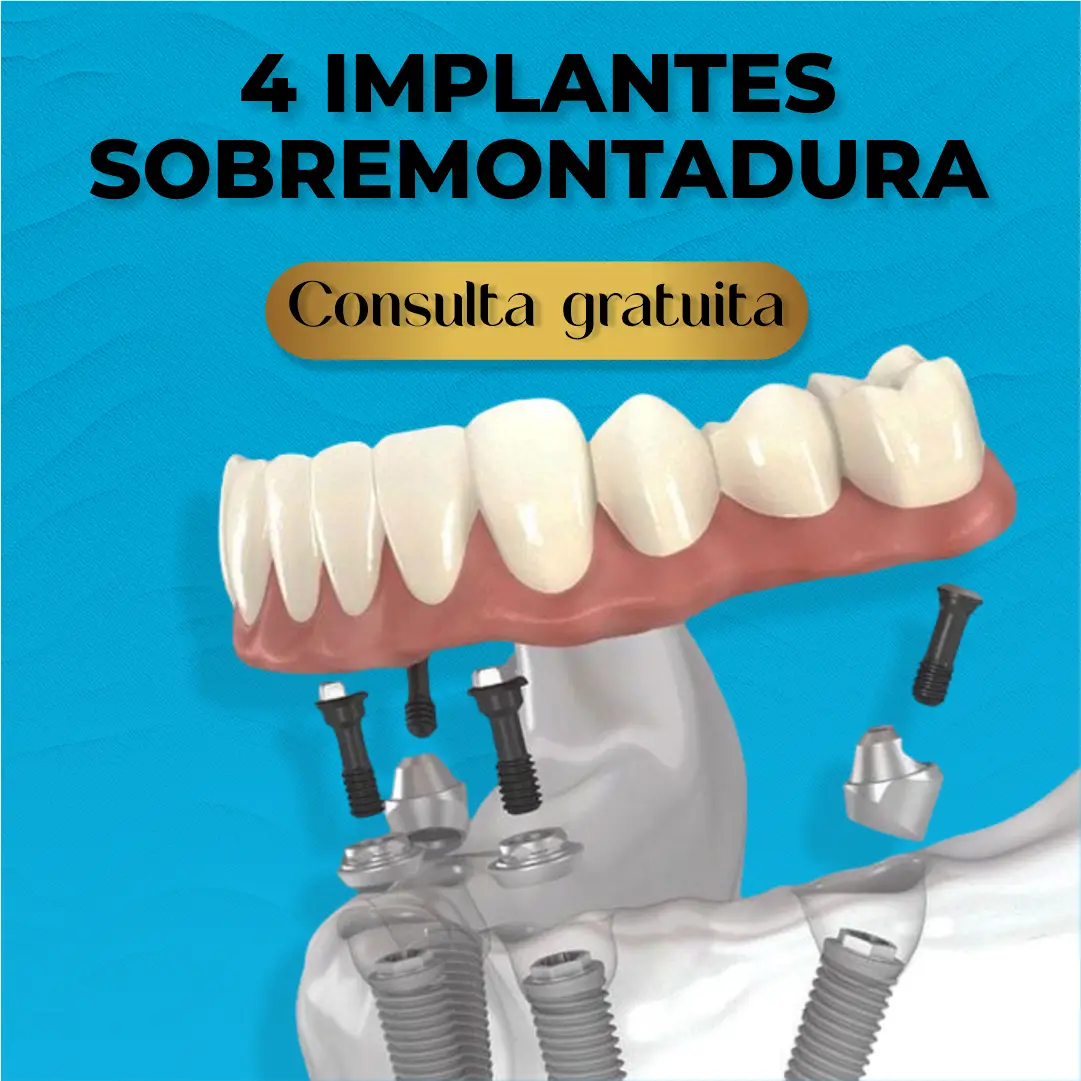
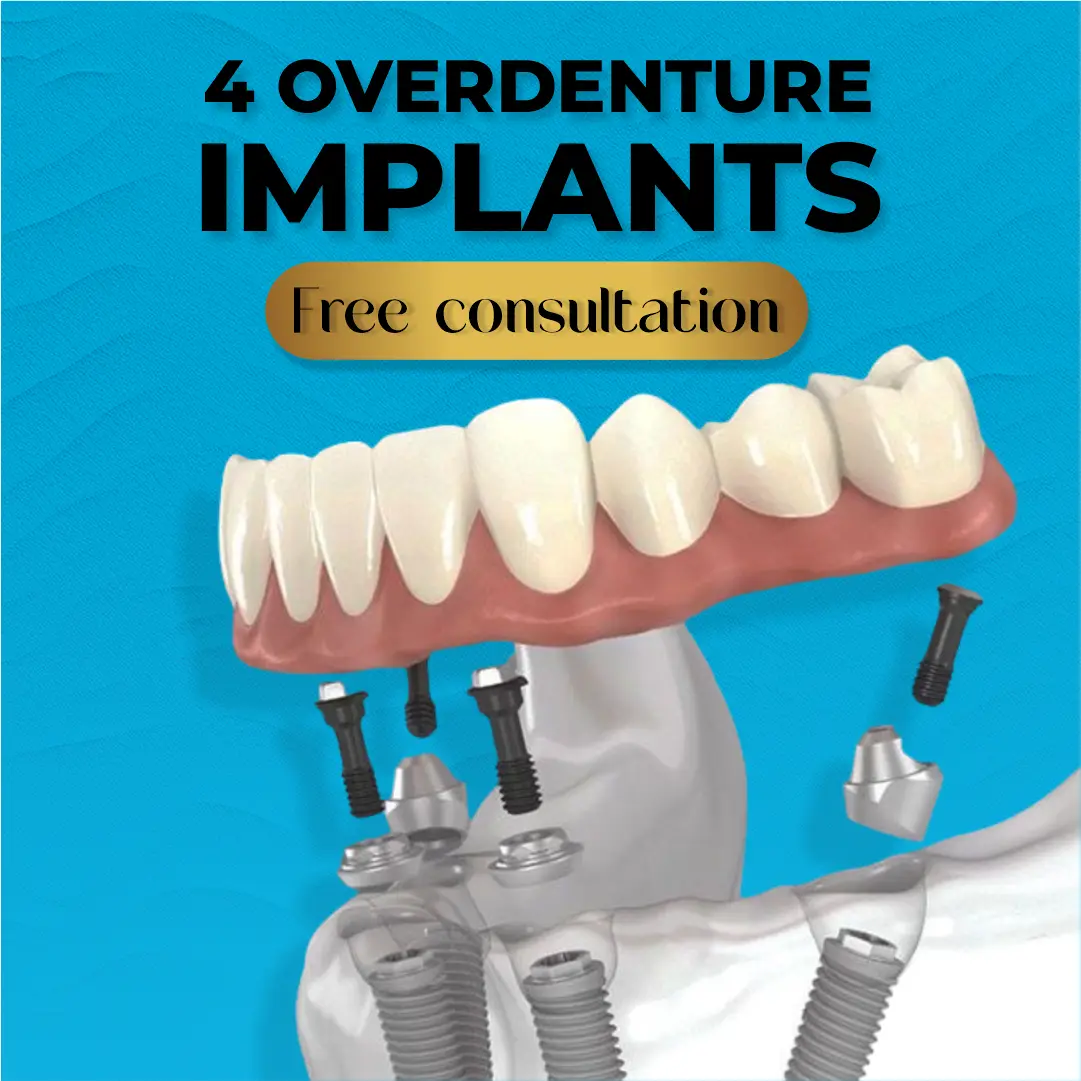
If you already wear dentures, implants may be used to stabilize them so they do not shift as much when you eat or speak. If you have multiple damaged teeth, your dentist may recommend removing the teeth that cannot be saved and replacing them with an implant-supported restoration. The right option depends on how many teeth are involved, the condition of the surrounding bone, and your goals for comfort and appearance.
Who might need another option instead?
There are times when another treatment makes more sense, at least for now. If a natural tooth can be saved predictably, preserving it is often worth discussing. If oral hygiene is very poor and unlikely to improve, or if a health condition makes surgery unsafe at the moment, a bridge or denture may be the better path until circumstances change.
This is where an honest dental team makes a difference. Good implant care is not about pushing everyone toward the same treatment. It is about matching the solution to the person sitting in the chair.
How a consultation answers the question clearly
The most accurate way to find out who is a candidate for dental implants is with a comprehensive exam. Your dentist will look at your teeth, gums, bite, and bone levels, review your medical history, and talk through your goals. For some people, the answer is yes right away. For others, it may be yes after a few important steps.
At Kendall Breeze Dental Centers, patients often appreciate having that conversation in a setting that feels calm, clear, and pressure-free. When treatment is explained in plain language and tailored to your needs, the decision feels much easier.
If you have been living with a missing tooth, hiding your smile in photos, or chewing on one side just to get through meals, it may be time to ask the question in person. The right candidate for dental implants is not a perfect patient. It is someone ready to restore comfort, function, and confidence with the right plan.