Losing a tooth changes more than your smile. You feel it when you chew, when you speak, and sometimes even when you catch yourself smiling less in photos. If you are weighing a dental implant vs bridge, the right choice usually comes down to three things – the condition of the teeth next to the gap, your long-term goals, and how much treatment you want.
Both options can replace a missing tooth beautifully. Both can restore confidence and help you eat more comfortably. But they work in very different ways, and those differences matter.
Dental implant vs bridge: the basic difference
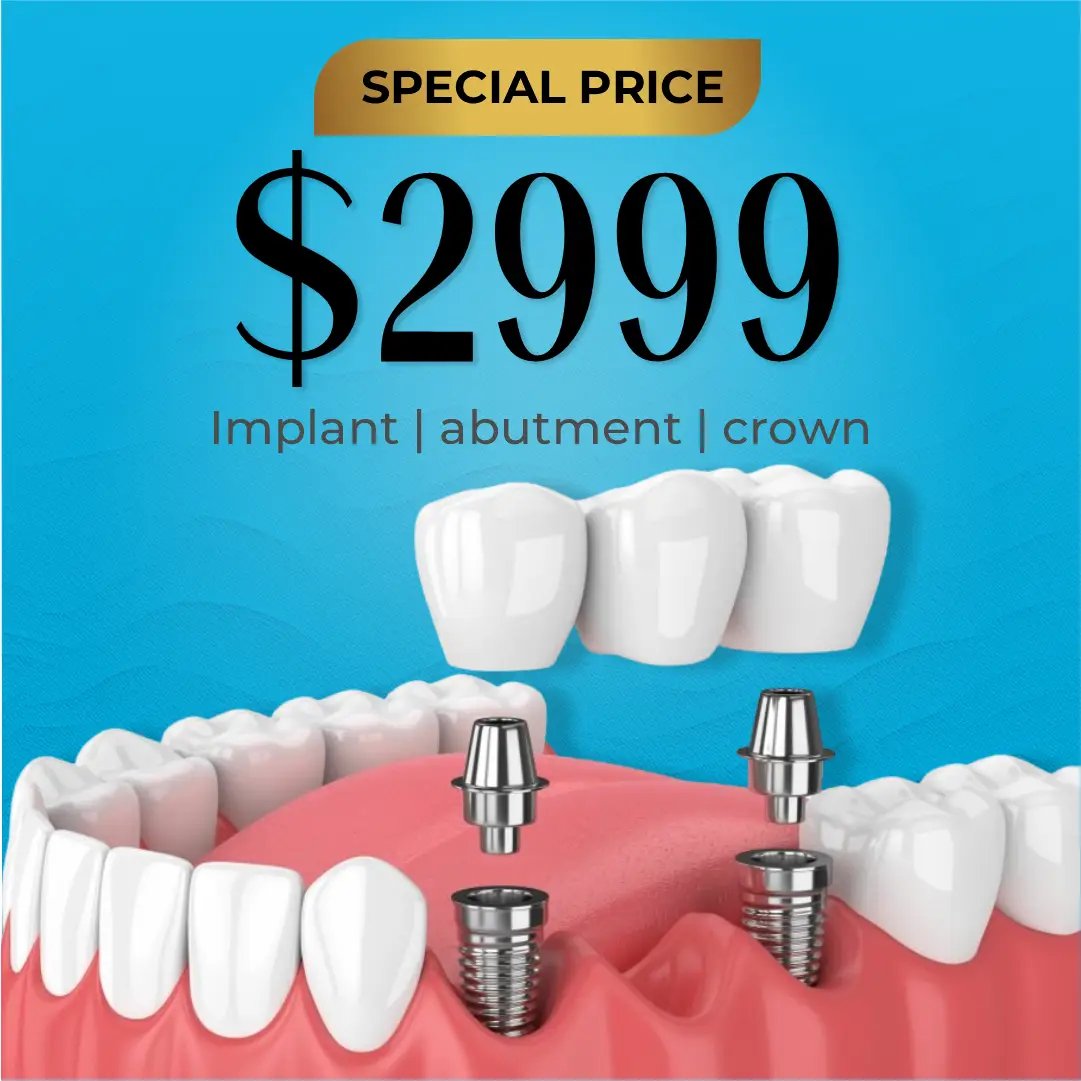
A dental bridge fills the space by attaching an artificial tooth to the teeth on either side of the gap. In many cases, those neighboring teeth are shaped so they can support crowns, which hold the bridge in place.
A dental implant replaces the missing tooth at the root level. A small titanium post is placed in the jawbone, and after it heals, a custom crown is attached on top. The final result looks and functions much like a natural tooth.
That simple distinction affects everything else – comfort, longevity, cleaning, and the health of nearby teeth.
When a bridge makes sense
A bridge is often a practical solution when the teeth next to the missing tooth already need crowns or have large fillings. In that situation, using those teeth for support may be a very sensible treatment plan.
Bridges can also be appealing if you want to avoid surgery. For some patients, that is the deciding factor. Others like that treatment may move faster because there is no healing period for an implant post to fuse with the bone.
A bridge can give excellent cosmetic results. When it is designed well, it blends naturally with your smile and can restore normal appearance quickly. For many adults, especially those replacing a tooth in a visible area, that matters right away.
Still, a bridge has trade-offs. The biggest one is that it depends on neighboring teeth. If those teeth are healthy and untouched, preparing them for crowns means removing natural tooth structure that cannot be put back.
When a dental implant makes sense
An implant is often the most conservative choice for the surrounding teeth because it stands on its own. The teeth next to the gap usually do not need to be altered.
That independence is one reason implants are so popular. Another is bone support. When a tooth is missing, the jawbone in that area can begin to shrink over time because it is no longer stimulated by a tooth root. An implant helps preserve that bone in a way a traditional bridge does not.
Many patients also find implants easier to maintain day to day. You brush and floss around them much like a natural tooth. With a bridge, cleaning underneath the replacement tooth takes a little more effort and often requires floss threaders or special tools.
Implants can feel especially worthwhile for people thinking long term. If your neighboring teeth are healthy, preserving them while replacing only the missing tooth is often a very attractive option.
Appearance and feel
From a cosmetic standpoint, both treatments can look natural. A well-made bridge and a well-made implant crown should match the shape and shade of your smile closely.
The feel can be different, though. Because an implant is anchored in bone, it often feels more like a separate tooth. A bridge is stable too, but it functions as a connected restoration supported by other teeth.
For front teeth, appearance becomes even more detailed. Gum shape, smile line, and the amount of visible tissue all influence which option may create the best result. This is one of those moments where a personalized exam matters more than general advice online.
Dental implant vs bridge for chewing and comfort
Most patients want a simple answer here: which one lets me eat normally again?
In many cases, both do. Once treatment is complete, both a bridge and an implant can restore strong biting function. The difference is often more about how support is distributed. An implant handles pressure through the implant itself and the surrounding bone. A bridge shares that load across the supporting teeth.
If the teeth next to the missing space are strong and healthy, a bridge can work very well. If those teeth are weak, heavily restored, or under a lot of bite pressure already, an implant may be the better long-term solution.
Comfort also depends on fit and technique. Patients who are nervous about dental treatment are often relieved to learn that modern planning, digital imaging, and gentle care can make either process much smoother than expected.
The impact on nearby teeth
This is where the comparison gets more personal.
With a bridge, the supporting teeth take on extra responsibility. That is not automatically a problem, especially if they already need crowns. But if those teeth are healthy, some patients prefer not to involve them.
With an implant, the neighboring teeth are usually left alone. That can be a major advantage when the missing tooth is surrounded by otherwise healthy enamel.
There is also a maintenance piece to consider. If one part of a bridge has a problem, the entire restoration may need attention. An implant crown and the teeth beside it are separate, so treatment decisions can be more localized.
Timeline and treatment experience
A bridge is often completed sooner. Once the teeth are prepared and impressions or digital scans are taken, the final restoration can usually be placed without waiting for surgical healing.
An implant typically takes longer because placement and healing happen before the final crown is attached. That healing time is important because it allows the implant to integrate with the bone.
For some patients, the longer timeline is worth it for the long-term benefits. For others, speed matters more because of work, family schedules, or personal preference. Neither priority is wrong.
At Kendall Breeze Dental Centers, this is exactly the kind of conversation that should feel clear and pressure-free. The best treatment is not the one that sounds most advanced. It is the one that fits your mouth, your goals, and your comfort level.
What about bone loss and future changes?
This is one of the biggest reasons many dentists lean toward implants when possible.
After a tooth is lost, the bone in that area may gradually shrink. A bridge replaces the visible tooth, but it does not replace the root beneath the gums. An implant does, and that can help support the bone over time.
That said, not every patient is immediately ready for an implant. Bone quality, health history, gum condition, and timing after tooth loss all play a role. Sometimes additional treatment is needed to prepare the area. Sometimes a bridge is simply the better fit for the situation at hand.
Cleaning and daily care
This is not the most exciting part of the decision, but it matters.
A bridge needs careful cleaning underneath the false tooth so plaque does not build up around the supporting teeth. It is absolutely manageable, but it takes a little instruction and consistency.
An implant is often simpler to clean because it is treated more like an individual tooth. Good brushing, flossing, and routine dental visits still matter, of course. Implants are strong, but they are not maintenance-free.
If you know you want the easiest possible home care routine, that may steer you toward an implant. If you are comfortable using special flossing tools, a bridge may still be a great option.
So which is better?
The honest answer is that dental implant vs bridge is not about picking the universally better treatment. It is about choosing the better treatment for your specific mouth.
A bridge may be the smart choice if you want a non-surgical option, want to complete treatment sooner, or already have neighboring teeth that need crowns. An implant may be the better fit if you want to preserve nearby teeth, support jawbone health, and replace the missing tooth more independently.
If you are trying to decide, do not focus only on the gap itself. Think about the condition of the surrounding teeth, your comfort with treatment, how you want the result to feel years from now, and whether simplicity in daily cleaning matters to you.
The best next step is a personalized exam with clear imaging and a dentist who will explain both options in plain language. When you understand the trade-offs, the decision usually feels much less overwhelming.
A missing tooth can make life feel smaller than it should. The right replacement should help you eat, speak, and smile with ease again – and feel like the decision was made with care, not guesswork.