A brighter smile can change more than a photo. It can make work meetings feel easier, help you stop hiding your teeth when you laugh, and give you back a sense of confidence that may have faded slowly over time. If you have been researching examples of cosmetic dentistry procedures, the good news is that there is no single path to a better smile. The right treatment depends on what you want to change, how long you want results to last, and whether your teeth also need restorative care.
What counts as cosmetic dentistry?
Cosmetic dentistry focuses on improving the appearance of your smile. That can mean making teeth look whiter, straighter, more even, less worn, or more balanced. In many cases, cosmetic treatment also brings practical benefits. A chipped tooth may be strengthened with bonding. A crown can improve both appearance and function. A dental implant can fill a gap while helping support everyday chewing and speech.
That is why cosmetic dentistry is rarely just about looks. For many patients, it sits right at the intersection of beauty, comfort, and oral health.
8 examples of cosmetic dentistry procedures
1. Professional teeth whitening
Teeth whitening is one of the most common cosmetic treatments because it delivers a visible change without changing the structure of the tooth. Professional whitening is designed to lift stains from coffee, tea, red wine, tobacco, and normal aging.
This option is often a strong fit for patients whose teeth are healthy but look dull or yellow. It is less ideal when discoloration comes from internal staining, certain medications, or older dental work that will not whiten along with natural enamel. Some people also experience temporary sensitivity, so it helps to talk through that before treatment.
2. Dental veneers
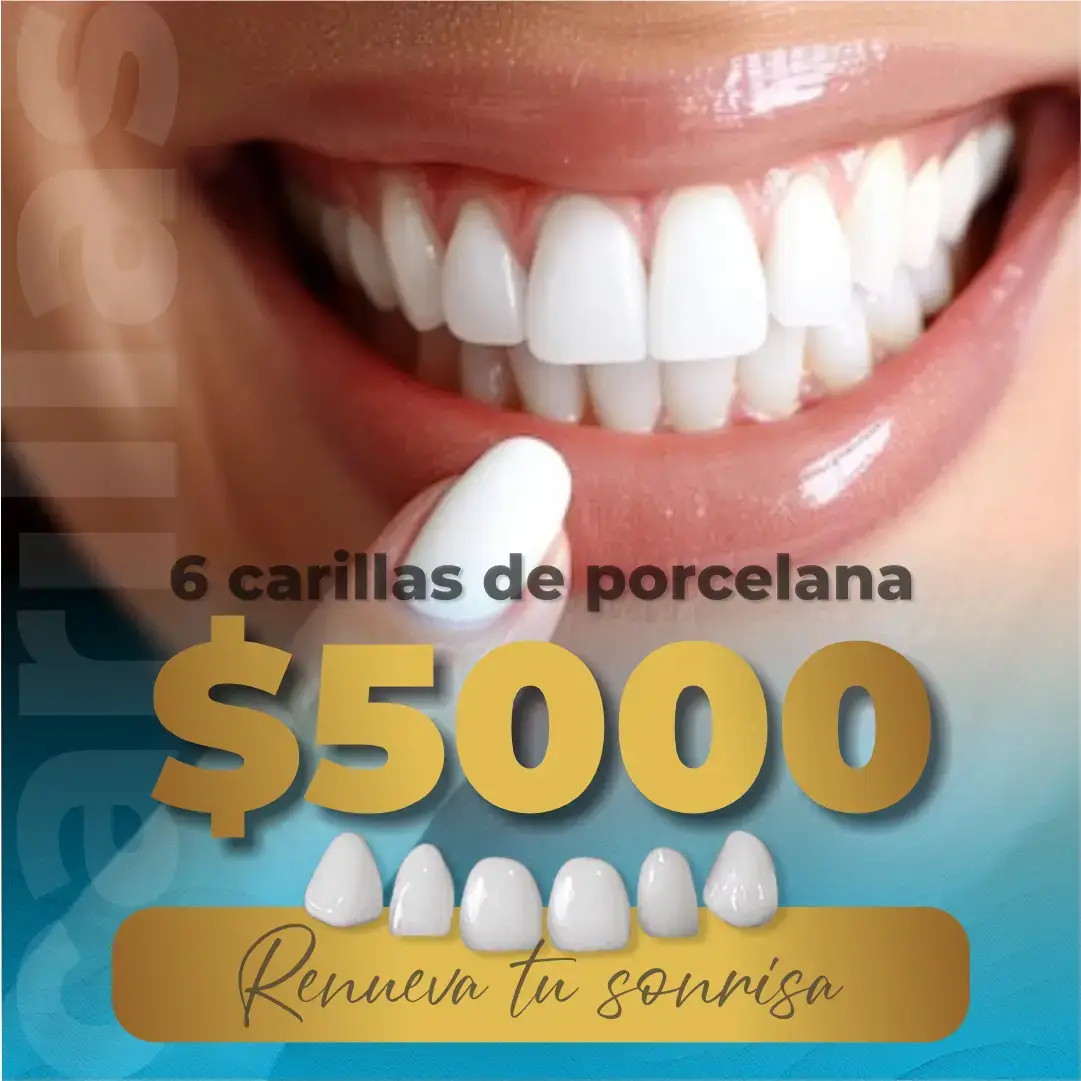
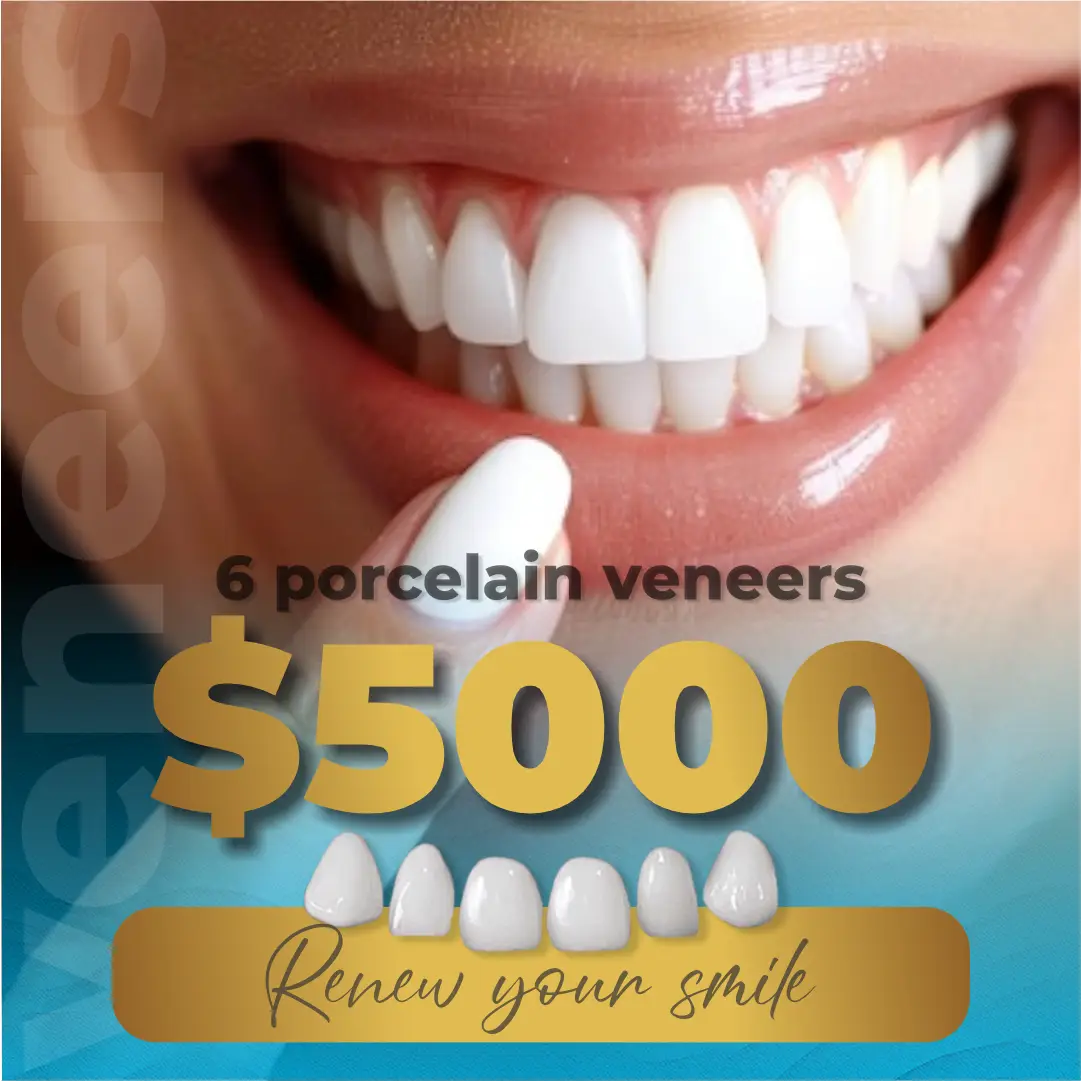
Veneers are thin custom shells that cover the front surface of the teeth. They are often used to improve shape, color, size, and minor spacing issues. If someone wants a more uniform smile and has multiple cosmetic concerns at once, veneers can be a very efficient solution.
They can create a dramatic transformation, but they are not the right answer for everyone. Veneers usually require some enamel adjustment, and they work best when the teeth and gums underneath are healthy. Patients who grind their teeth heavily may need protection, such as a night guard, to help preserve the result.
3. Cosmetic dental bonding
Bonding uses a tooth-colored resin to repair small chips, cracks, gaps, or uneven edges. It is one of the most conservative ways to improve the appearance of a tooth because less natural structure is typically removed compared with other options.
Bonding can be a great choice when you want a noticeable improvement without a major procedure. It is especially helpful for small cosmetic fixes. The trade-off is that bonding material can stain or wear over time more easily than porcelain, so longevity depends on your habits and the area being treated.
4. Tooth-colored crowns
Crowns are sometimes thought of as purely restorative, but they can play an important cosmetic role too. A crown covers the entire visible portion of a damaged tooth, which can improve shape, color, and overall symmetry while also protecting the tooth.
This is often recommended when a tooth is too damaged for bonding or when an older metal filling or broken structure affects both strength and appearance. A well-made tooth-colored crown can blend beautifully with the smile, but it is usually chosen because a tooth needs more support, not just a minor touch-up.
5. Clear aligners
If crooked or crowded teeth are the main concern, clear aligners can be a cosmetic and functional upgrade at the same time. They gradually move teeth into better alignment using a series of custom trays.
Many adults like aligners because they are discreet and removable. That said, they require consistency. If the trays are not worn as directed, results can take longer or fall short of expectations. Aligners are excellent for many mild to moderate cases, but more complex bite issues may need a different orthodontic approach.
6. Gum contouring
Sometimes the issue is not the teeth themselves. A smile can look uneven or gummy when excess gum tissue covers too much of the tooth surface or when the gumline is irregular from tooth to tooth. Gum contouring reshapes the gumline to create better balance.
This procedure can make teeth appear longer and more symmetrical. It is often combined with other cosmetic treatments for a fuller smile makeover. The key is proper evaluation first, since gum appearance may also be influenced by bite position, inflammation, or the shape of the underlying teeth.
7. Dental implants
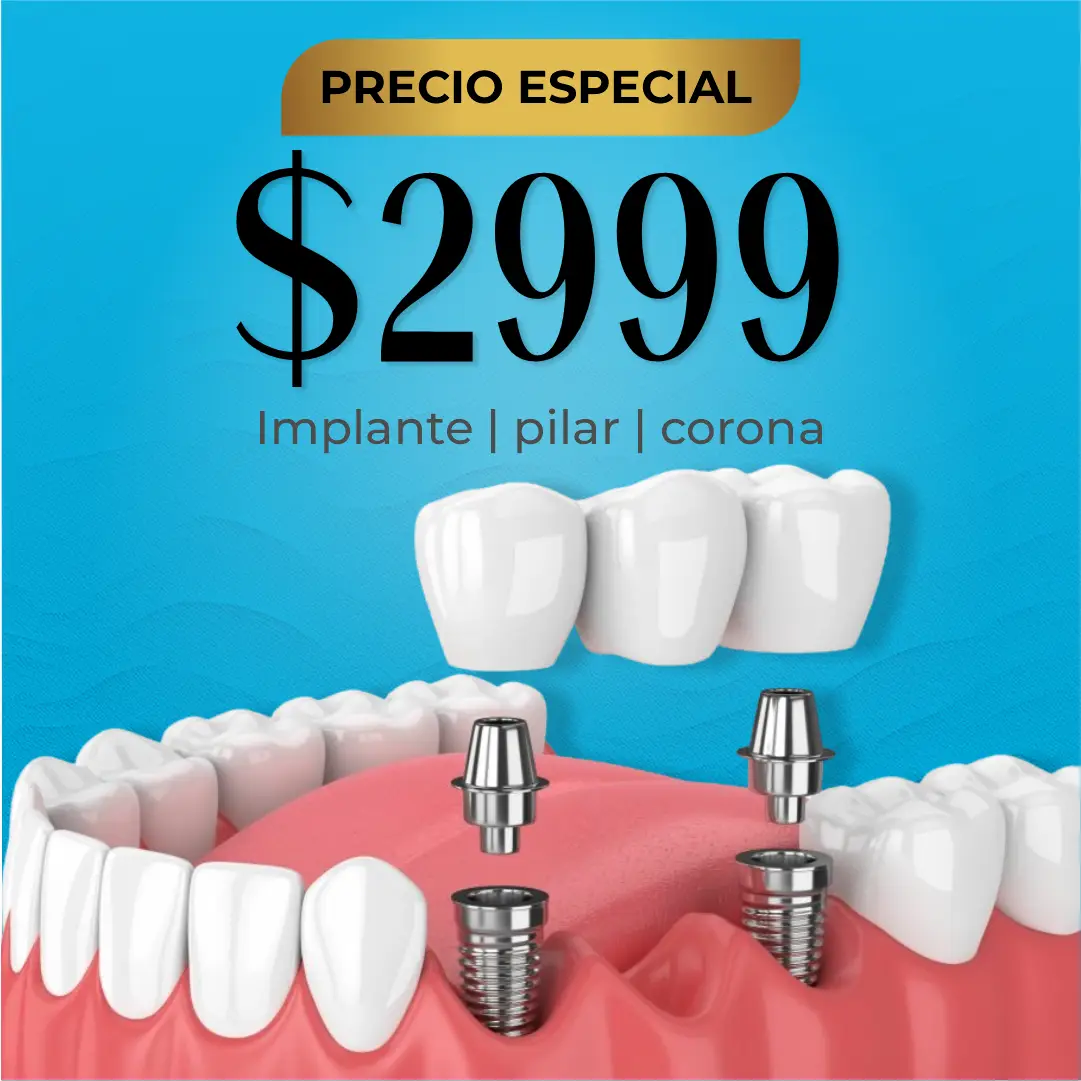
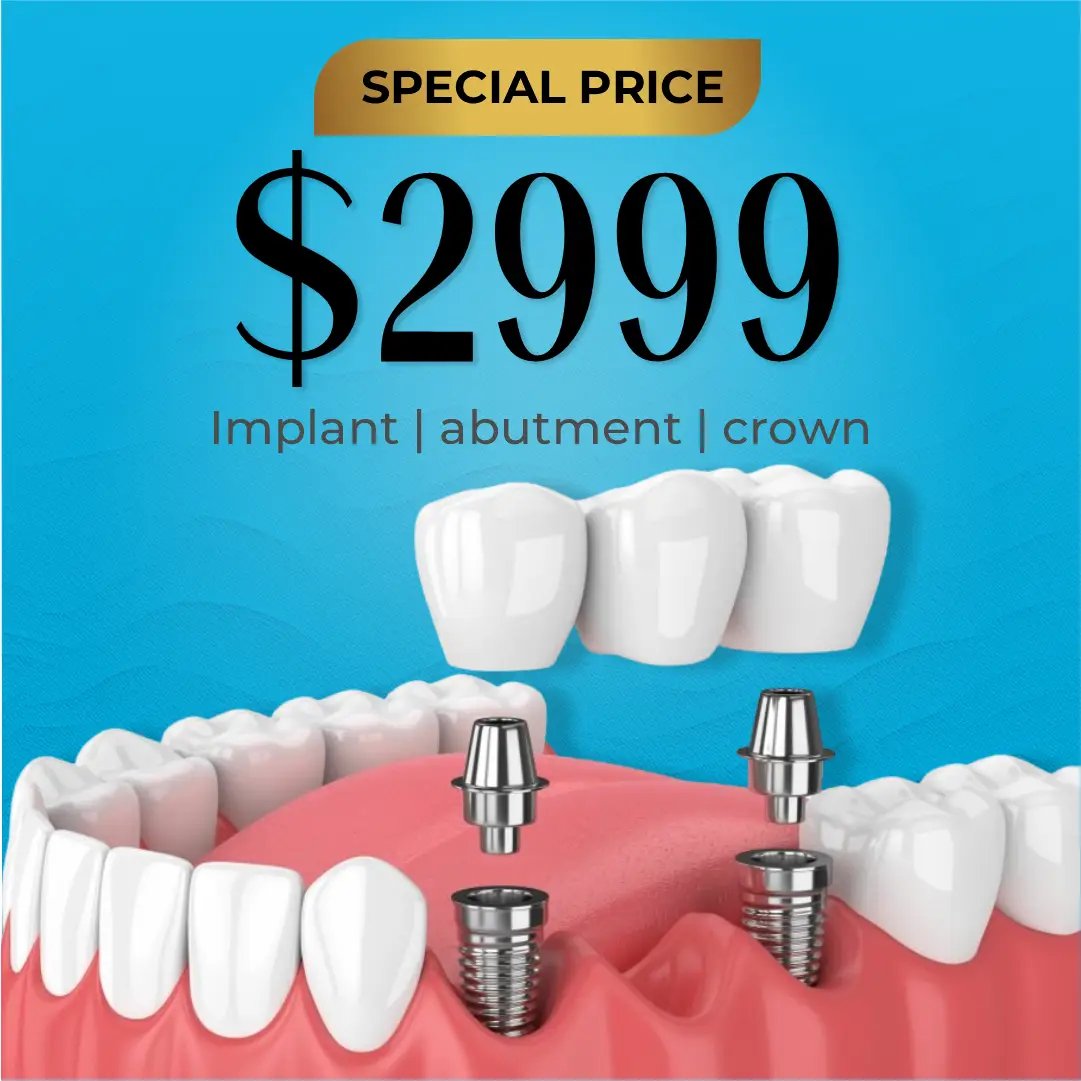
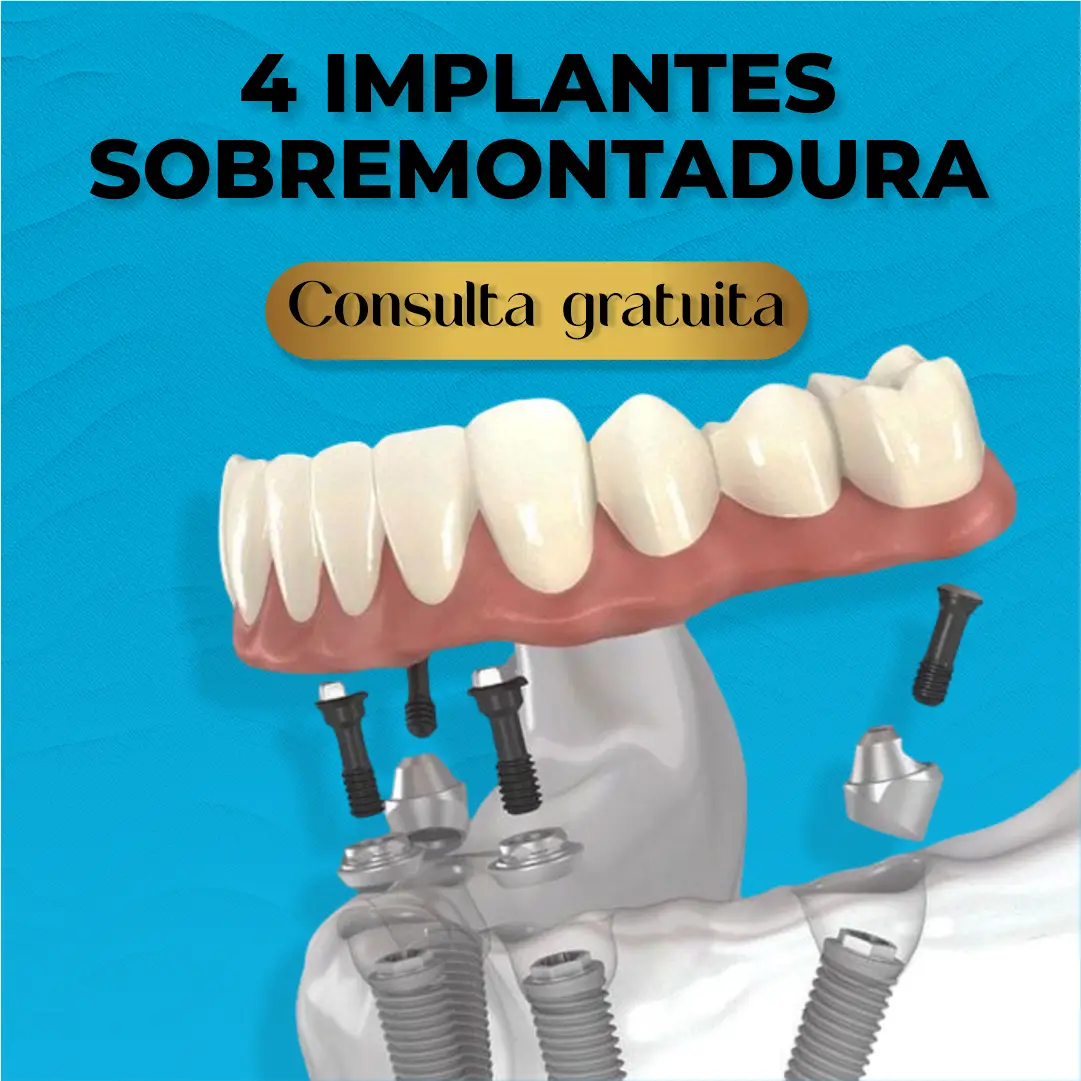
Dental implants are often associated with restorative dentistry, but they absolutely belong in conversations about smile aesthetics. An implant replaces a missing tooth from the root up, usually with a titanium post and a custom crown. The result can look remarkably natural while also restoring function.
For patients who feel self-conscious about a visible gap, an implant can be life-changing. It also helps prevent the sunken look that sometimes follows tooth loss. Still, implants require healthy bone support and careful planning. They are not same-day solutions in every case, and healing time matters.
8. Smile makeovers
A smile makeover is not a single procedure. It is a personalized treatment plan that combines several cosmetic services based on your goals. That might include whitening, veneers, bonding, crowns, aligners, or gum contouring.
This approach makes sense when there are multiple concerns affecting the smile at once. It also allows your dentist to think about the whole picture rather than improving one tooth at a time. The advantage is a more coordinated result. The downside is that planning matters more, and treatment may happen in phases depending on oral health needs.
How to choose between different examples of cosmetic dentistry procedures
The best cosmetic treatment is not always the most dramatic one. It is the one that matches your goals, your timeline, and the current condition of your teeth and gums.
If the main problem is color, whitening may be enough. If the concern is shape or small chips, bonding or veneers could make more sense. If you are missing a tooth, whitening will not solve the actual problem, but an implant or other restorative solution might. And if your teeth are healthy but crowded, straightening them first can create a better foundation for any cosmetic improvements that follow.
This is where a clear exam matters. Photos, digital imaging, and a careful conversation can help you see what is possible before committing to treatment. For many patients, reassurance is just as important as the plan itself. You want to know what will change, what will not, and how natural the final result is likely to look.
Cosmetic dentistry should still feel comfortable
A lot of people delay treatment because they assume cosmetic dentistry is complicated, painful, or only for celebrities. In reality, many cosmetic procedures are straightforward and designed around comfort. The better offices explain each step clearly, offer modern technology, and make space for anxious patients who need a gentler experience.
That matters even more when treatment overlaps with oral health needs. A patient who wants a prettier smile may also need a filling replaced, a worn tooth rebuilt, or a missing tooth restored first. Having those services in one place can make the process feel much less overwhelming.
For families and working adults in Kendall, convenience often shapes the decision as much as aesthetics do. Being able to talk through cosmetic options in plain language, in English or Spanish, and get a realistic plan without pressure makes a big difference. That patient-first approach is part of what makes Kendall Breeze Dental Centers a trusted local choice for smile improvement and comprehensive care.
What to expect at a cosmetic consultation
A good consultation should feel informative, not rushed. You should be able to explain what bothers you about your smile, whether that is stains, uneven edges, old dental work, gaps, or missing teeth. Your dentist should also look at the health of the teeth, gums, and bite before suggesting cosmetic changes.
In some cases, the answer is simple. In others, it depends. You may be a better candidate for whitening after a cleaning, or for veneers only after addressing grinding, decay, or gum inflammation. A trustworthy recommendation accounts for both beauty and long-term health.
A confident smile does not have to look artificial or overdone. Often, the best cosmetic dentistry is the kind people notice without knowing exactly why. If you have been curious about your options, start with the question that matters most: what would make you feel good when you smile again?