A brighter smile can change how you feel in photos, at work, and even in everyday conversation. But when patients ask about teeth whitening vs veneers, they are usually asking a bigger question: what will actually give me the result I want without wasting time on the wrong treatment?
That answer depends on why your smile looks the way it does now. Some people have healthy teeth that are simply stained from coffee, tea, red wine, or age. Others are dealing with chips, uneven edges, worn enamel, small gaps, or teeth that have never looked quite as bright or symmetrical as they want. Whitening and veneers can both improve a smile, but they do very different jobs.
Teeth whitening vs veneers: the real difference
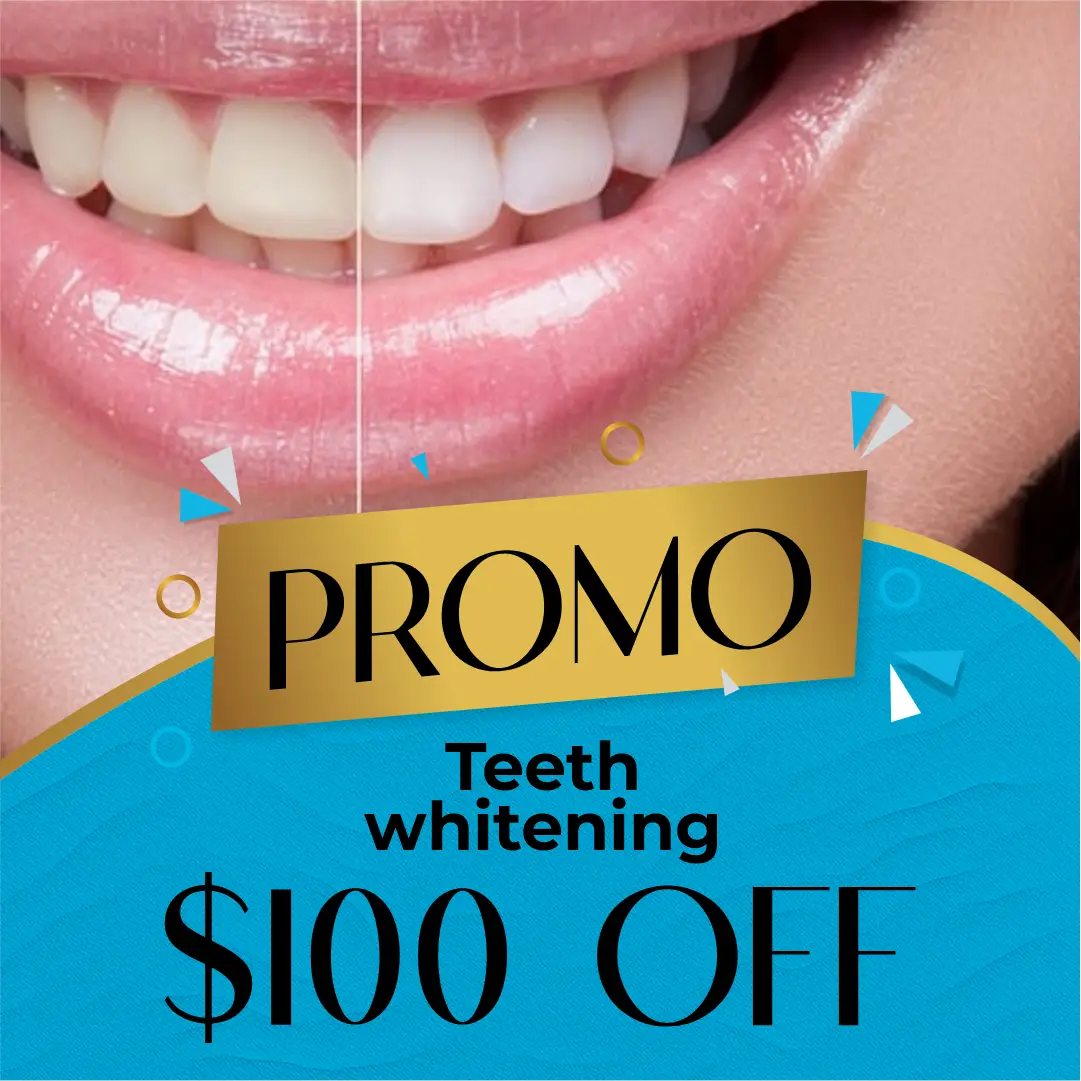
Teeth whitening is designed to lighten the natural color of your teeth. It works best when the main concern is staining or general yellowing. If your teeth are in good shape and you like their size and shape, whitening may be all you need to look fresher and more confident.
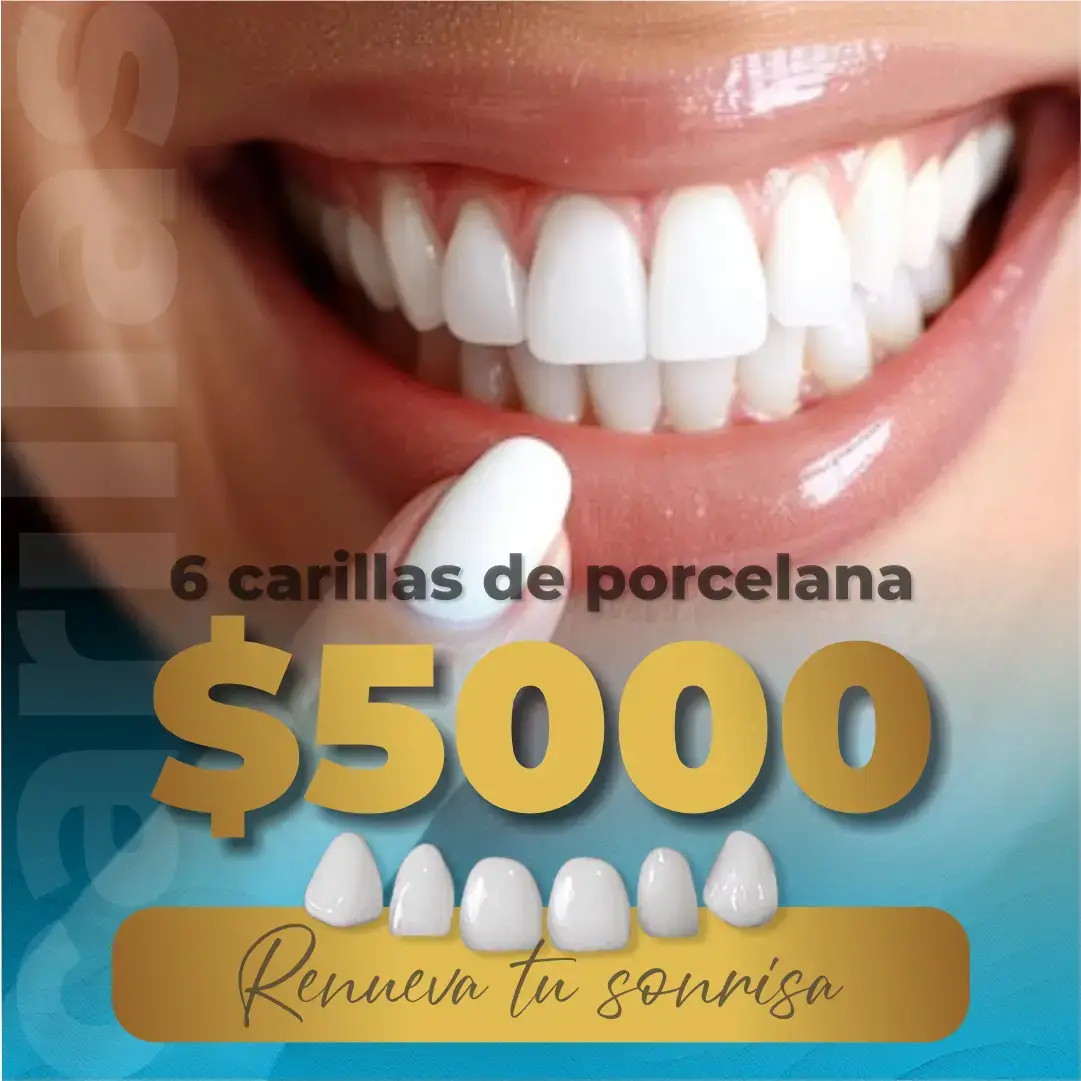
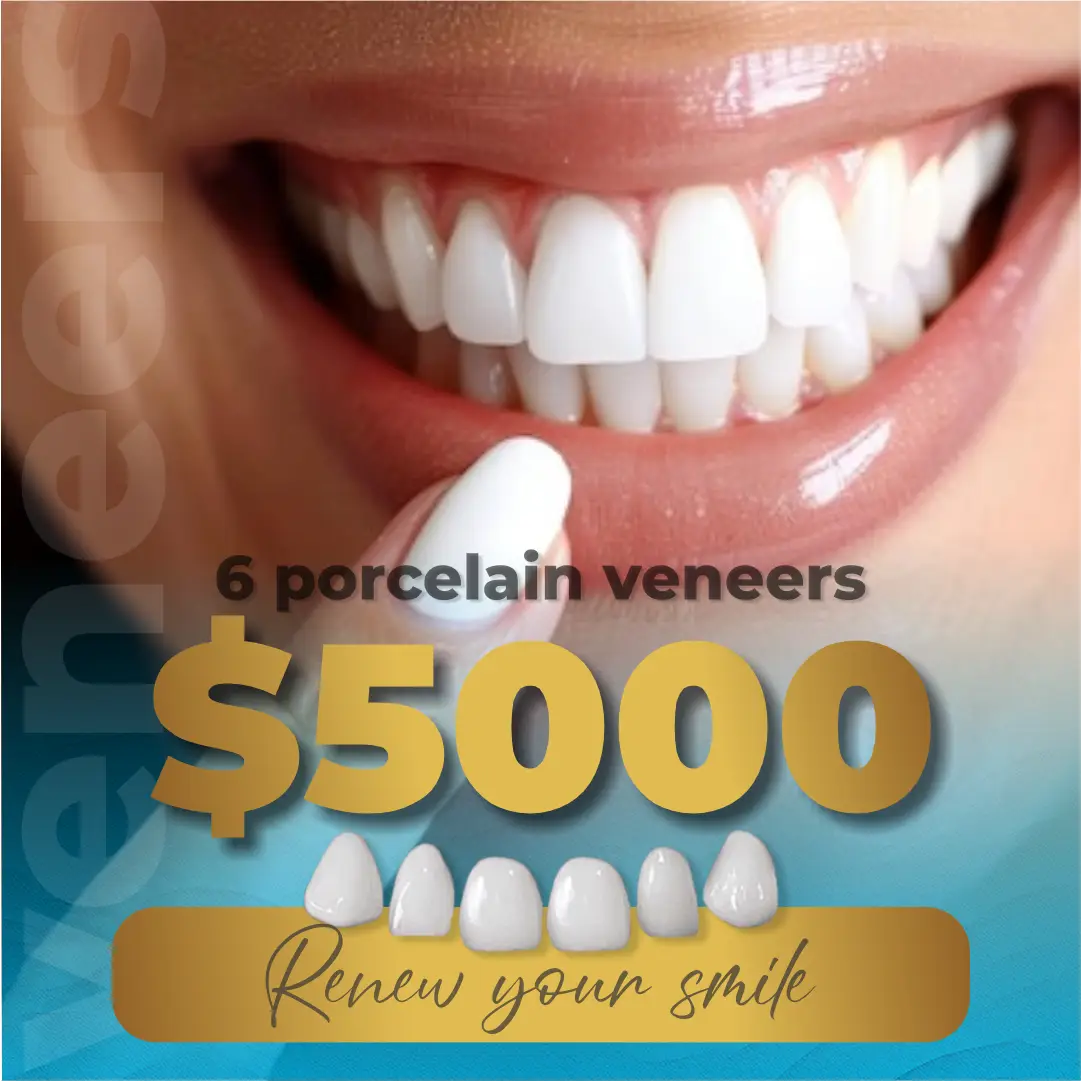
Veneers do more than brighten. These thin custom shells cover the front surface of the teeth and can change color, shape, size, and overall uniformity. That makes veneers a better fit when the issue is not just shade, but also appearance details that whitening cannot fix.
A simple way to think about it is this: whitening improves the color you already have, while veneers redesign what people see when you smile.
When teeth whitening makes the most sense
Whitening is often the right first step because it is conservative and straightforward. If your teeth are healthy, mostly even, and free from major restorations on the visible front surfaces, a professional whitening treatment can create a noticeable improvement without changing the structure of your teeth.
This option works especially well for surface and age-related stains. Many adults notice their smile looks dull over time even when they brush regularly. That is common. Natural enamel can absorb stain gradually, and over-the-counter products do not always deliver the kind of lift patients expect.
Professional whitening is usually a good choice if you want to brighten your smile for a wedding, job interview, graduation, vacation, or simply because you are tired of seeing a yellow cast in the mirror. It can also be a smart option if you are not ready to commit to a more lasting cosmetic change.
Still, whitening has limits. It does not repair chipped teeth. It does not close gaps. It does not make short teeth longer or correct teeth that look uneven. It also may not work well on certain deep internal stains, especially if the discoloration comes from trauma, medications, or older dental materials.
Some patients also experience temporary sensitivity after whitening. For most people, that fades quickly, but it is worth discussing if your teeth are already sensitive to cold drinks or sweet foods.
When veneers are the better choice
Veneers are often the better answer when your concerns go beyond color. If you have one dark tooth that does not respond well to whitening, several chipped front teeth, uneven spacing, mild crowding, worn edges, or teeth that look too small, veneers can create a more complete transformation.
This is why veneers are so popular with patients who want a polished, camera-ready smile. They can make teeth look whiter, but they also create consistency. That matters when one tooth is a different shape, one corner is chipped, or the whole smile looks mismatched.
Veneers can also be a strong option for people who have tried whitening in the past and felt disappointed. If the issue is not really stain, whitening will only go so far. Veneers can solve multiple cosmetic concerns at once instead of chasing small improvements with several separate treatments.
That said, veneers are not the automatic winner. They require careful planning, and they are a more involved cosmetic treatment than whitening. In many cases, a small amount of enamel is adjusted so the veneers fit naturally. That is why this choice should be made thoughtfully, with a clear picture of your goals and what kind of smile will still look like you.
What kind of results should you expect?
Whitening can make a smile look cleaner, younger, and healthier. For the right patient, the change is simple but striking. Friends may not know exactly what changed. They just notice you look more refreshed.
Veneers tend to create a bigger visual shift. They can deliver a brighter, more symmetrical smile with better balance from tooth to tooth. If whitening is a tune-up, veneers are more like a redesign.
Neither option is universally better. The best treatment is the one that matches your starting point. A patient with beautiful tooth shape and mild staining may get everything they want from whitening. A patient with chips, discoloration, and uneven spacing may continue to feel unhappy until those shape issues are addressed too.
Longevity matters too
Whitening is not permanent. Teeth can pick up new stains over time, especially if you drink coffee, tea, or red wine regularly or use tobacco products. Many patients need occasional touch-ups to maintain the brightness they like.
Veneers typically last much longer, but they still need good care. They are durable, not indestructible. Biting ice, chewing on pens, or using your teeth to open packages can put them at risk. You also still need regular cleanings and exams because the teeth underneath and around the veneers need to stay healthy.
For some patients, the temporary nature of whitening is perfectly fine. They want flexibility and a lighter smile without making a bigger commitment. Others prefer the longer-term consistency veneers can offer.
The question many patients really mean: which one is worth it?
The better question is not which treatment is more impressive. It is which one solves your actual concern.
If you mainly want whiter teeth and your smile already looks balanced, whitening is often worth doing first. It is the least invasive path and may give you exactly what you hoped for.
If you feel self-conscious about more than color, veneers may be more worthwhile because they address several issues at once. Patients who say, “I hate how uneven my front teeth look” or “One tooth is darker and shorter than the others” are usually describing veneer territory, not whitening territory.
This is where a cosmetic consultation matters. A good dentist should not push the bigger treatment when a simpler one will do. They should also be honest when whitening is unlikely to give the result you have in mind.
Can you combine whitening and veneers?
Yes, sometimes that is the smartest plan. If veneers are only being placed on a few front teeth, the surrounding natural teeth may be whitened first so everything blends beautifully. This can help create a bright, natural-looking result instead of making veneered teeth stand out from neighboring teeth.
Combination treatment is also common for patients who want improvement without placing veneers on every visible tooth. In those cases, careful planning makes all the difference.
How to choose between teeth whitening vs veneers
Start with your mirror test. Are you mostly bothered by color, or do you also notice shape, size, chips, gaps, or unevenness? If it is mostly color, whitening may be enough. If your eye goes straight to the structure of the teeth, veneers may be the better match.
It also helps to think about your expectations. If you want a natural refresh, whitening often fits. If you want a more perfected smile, veneers may align better with your goals.
Finally, consider your comfort level with treatment. Some patients want the most conservative option available. Others are ready for a more complete cosmetic change if it means they can stop thinking about their smile every day.
At Kendall Breeze Dental Centers, we often remind patients that the best cosmetic dentistry does not start with the procedure. It starts with listening. Your smile should fit your face, your goals, and your daily life.
If you are deciding between whitening and veneers, the right next step is not guessing. It is getting a clear, personalized evaluation from a dentist who can explain what each option can realistically do for your specific smile. When the plan matches the problem, the result usually feels just right.